


Apr 8, 2026
Understanding 3D Printing Quotes: What Drives the Cost?
When you request a 3D printing quote, the final number might seem mysterious. Why does one part cost significantly more than another? How do you compare quotes between different technologies? Understanding what drives 3D printing costs helps you make informed decisions, negotiate better pricing, and ultimately get the best value for your project.
The Components of a 3D Printing Quote
A comprehensive 3D printing quote isn't just about raw material costs. Several factors contribute to the final price, and understanding each one helps you evaluate whether you're getting a fair deal.
1. Material Cost
Material is typically one of the largest components of a 3D printing quote, but it varies dramatically by technology and material type. Here's how different technologies compare:
- FDM Materials — PLA and PETG are among the most affordable 3D printing materials, typically costing $0.02-0.05 per gram. ABS is slightly more expensive at $0.03-0.06 per gram. For a small part weighing 50 grams, material cost might only be $1-3.
- SLS Materials — PA12 nylon for SLS printing typically costs $0.10-0.20 per gram. However, SLS is more material-efficient because unused powder can be recycled, reducing effective material waste.
- SLA Materials — SLA resins like standard resin and tough resin typically cost $0.08-0.20 per milliliter, making them more expensive per unit volume than FDM but still reasonable for small, precise parts.
Material cost alone doesn't tell the whole story. A kilogram of SLS powder costs more than a kilogram of FDM filament, but SLS can produce parts with better mechanical properties and no support requirements, potentially offering better overall value.
2. Machine Time and Operational Costs
Perhaps the most significant cost factor is machine time. 3D printers run continuously, consuming electricity and requiring maintenance, calibration, and operator oversight. Your quote reflects the cost of operating the machine during your print job.
Different technologies have different per-hour operational costs:
- FDM — Among the most affordable, typically $20-50 per machine hour. A small part that prints in 4 hours might have $80-200 in machine time charges.
- SLS — More expensive to operate due to heating, cooling, and powder handling requirements. Typically $100-200 per machine hour.
- SLA — Medium operational cost, typically $50-100 per machine hour. SLA machines operate faster than FDM for many applications, reducing print time costs.
Print time depends on your part's geometry, size, and the machine's speed settings. A small, simple part might print in 2-3 hours. A large, complex part could take 20+ hours. This is why geometry optimization can significantly impact your quote.
3. Post-Processing and Labor
Raw printed parts often require finishing work before they're ready to use. Post-processing costs vary dramatically based on your requirements:
- Support Removal — FDM and SLA parts require support structures that must be manually removed. This labor-intensive step can add $20-100+ depending on part complexity and support density.
- Sanding and Surface Finishing — If your application requires a smooth surface, hand sanding or chemical treatment adds significant labor cost. Professional surface finishing can cost $50-300+ per part depending on complexity and desired finish quality.
- Cleaning — SLA parts require solvent washing to remove uncured resin. SLS parts may require light cleaning. FDM typically requires minimal cleaning.
- Curing and Heat Treatment — SLA parts and some FDM materials benefit from post-cure treatment, adding time and cost. SLA parts might require 30 minutes to 2 hours of UV curing.
- Painting and Coating — If parts require color or protective coatings, this adds additional labor and material costs.
For a simple FDM part with minimal finishing, post-processing might add $10-20. For a complex SLA part requiring professional surface finishing, post-processing could exceed the printing cost itself.
4. Setup and Preparation Time
Before any 3D printing happens, your file must be prepared, positioned optimally on the print platform, and settings configured. This includes:
- Design review and optimization
- File preparation and slicing
- Orientation and support structure planning
- Machine setup and preparation
- Quality assurance planning
For large production runs, this setup cost is divided among many parts, reducing the per-unit impact. For single parts, setup costs are more significant. Quotes from experienced service providers already factor this in, but it's worth understanding that there's work happening before the machine ever runs.
How Quantity Affects Pricing
One of the most misunderstood aspects of 3D printing pricing is how volume affects costs. Unlike injection molding where tooling costs create economies of scale, 3D printing shows a different pattern:
- Single Part — Full setup costs, machine operational costs, and post-processing costs all apply to your one part.
- Multiple Identical Parts — When you print multiple copies of the same part in one build, the setup time is shared, machine time increases proportionally, and post-processing is repeated. A 50% increase in the number of parts might only increase the total cost by 30-40%.
- Very Large Quantities — At some volume threshold (typically 500-1000+ units), traditional injection molding becomes more cost-effective. However, on-demand 3D printing remains valuable for items where faster turnaround, customization, or design changes outweigh unit cost considerations.
The key insight: 3D printing's variable cost model means you pay for what you print, but fixed costs don't increase linearly with quantity. This makes it particularly cost-effective for:
- Prototypes and small production runs
- Customized or one-off parts
- Parts that might need design iterations
- Applications where quick turnaround is valuable
Comparing Quotes Between Technologies
When evaluating quotes from different 3D printing technologies, don't simply compare headline prices. Consider the complete picture:
- Material Properties — An FDM part might cost $15 but fail under load. An SLS part costing $60 might perform perfectly. Choose based on functional requirements, not just cost.
- Surface Finish — SLA parts typically require less post-processing than FDM. If you need a smooth, finished appearance, SLA might be more cost-effective overall despite higher per-hour operational costs.
- Complexity Support Costs — SLS printing requires no supports, potentially reducing post-processing costs for complex geometries compared to FDM or SLA.
- Turnaround Time Value — Faster technologies might cost more per part but save money if quick iteration or rapid deployment is important to your business.
Tips for Getting the Best 3D Printing Price
Understanding cost drivers helps you negotiate better pricing and optimize your spending:
- Optimize Your Design — Reduce wall thickness where possible (within functional requirements), minimize overhangs that require extensive supports, and simplify geometry where feasible. Simple changes can reduce machine time by 30-50%.
- Consolidate Parts — If you're printing multiple small parts, see if they can fit together efficiently on the build platform. This reduces setup and machine time costs.
- Plan for Multiple Iterations — Getting upfront discounts for committing to multiple print runs often beats the cost of traditional prototyping.
- Specify Your Actual Requirements — Don't request SLA precision if FDM accuracy is sufficient. Don't ask for premium post-processing if a basic finish works. Communicate what you actually need.
- Consider Total Cost, Not Unit Cost — Include development time, iteration cost, and production timeline in your analysis. Sometimes a slightly more expensive printing solution saves money overall.
- Ask About Batch Pricing — If you're printing multiple parts, ask if they can be grouped together. Batching reduces per-unit costs.
Reading and Interpreting Your Quote
A professional 3D printing quote should clearly break down:
- Material cost (weight and material type)
- Machine time cost (technology and estimated duration)
- Post-processing cost (what's included and what's optional)
- Setup fee (if applicable)
- Total per-unit cost (for multiple parts)
- Timeline and delivery date
If a quote doesn't provide this breakdown, ask. A transparent quote helps you understand where money is going and identify where you might optimize costs on future orders.
Getting an Accurate Quote
To get the most accurate and competitive quotes, provide your service provider with:
- Detailed 3D CAD files (STL, STEP, or IGES format)
- Required tolerances and accuracy specifications
- Material requirements and functional specifications
- Any specific finish or surface requirements
- Desired timeline and deadline
- Quantity needed
- Intended application (helps them optimize technology and material selection)
The more detail you provide, the more accurately your service provider can estimate costs and identify opportunities to optimize price and performance.
Making the Most of Your 3D Printing Investment
Getting the best value from 3D printing isn't just about finding the lowest price. It's about understanding what drives costs and making intentional choices that balance price, performance, timeline, and functional requirements.
Understanding cost factors positions you to evaluate quotes confidently, communicate effectively with your service provider, and make decisions that deliver genuine value. When you partner with an experienced provider who can guide you through technology and material selection, you often end up paying less overall while getting better results.
Contact us with your project details to discuss your specific needs and get a detailed, transparent quote. Our team can help you navigate technology options and identify the most cost-effective solution for your application.


Apr 8, 2026
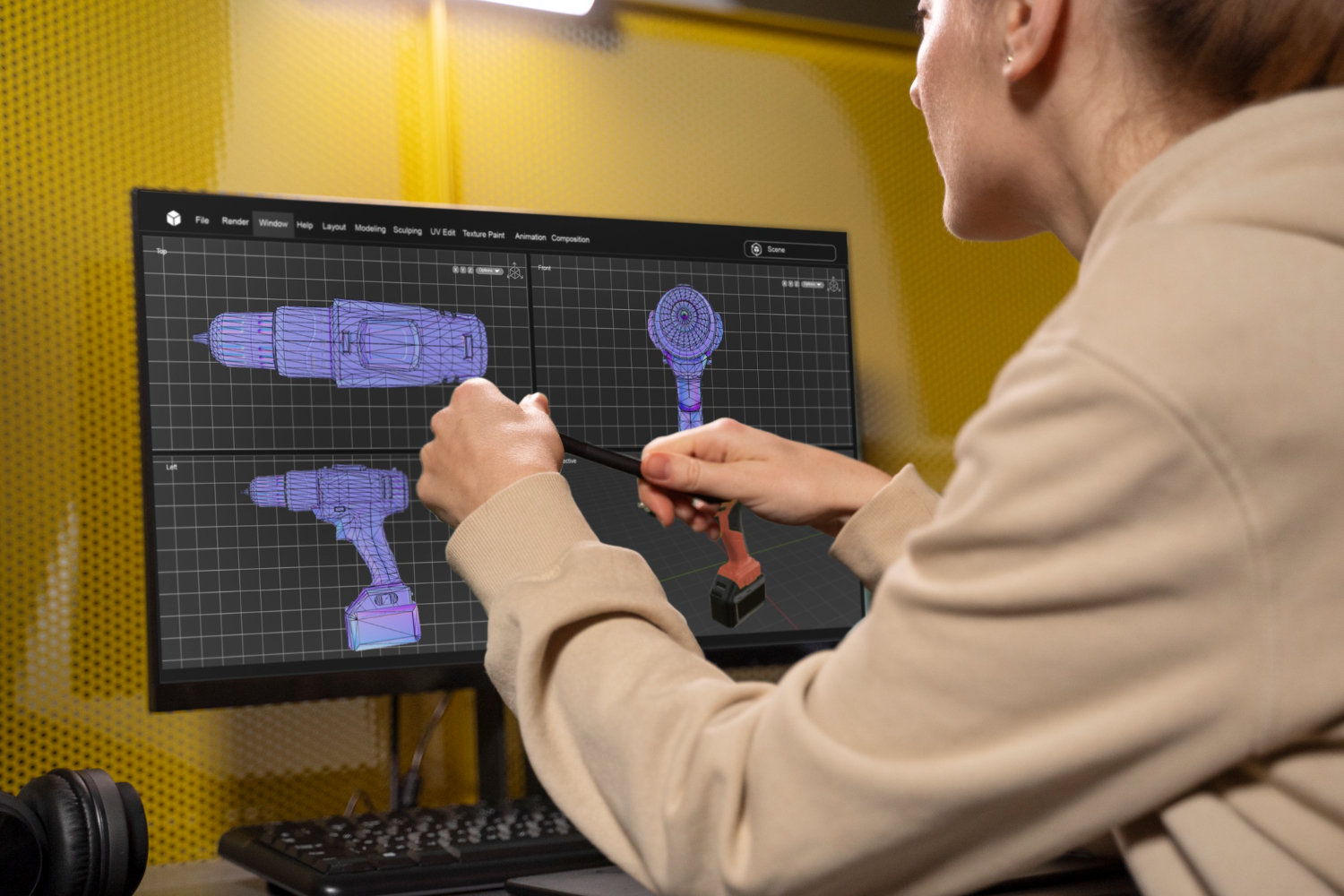
Design during the day, print overnight, test the next morning. A practical workflow for running rapid prototyping iterations at one per day.


Apr 8, 2026
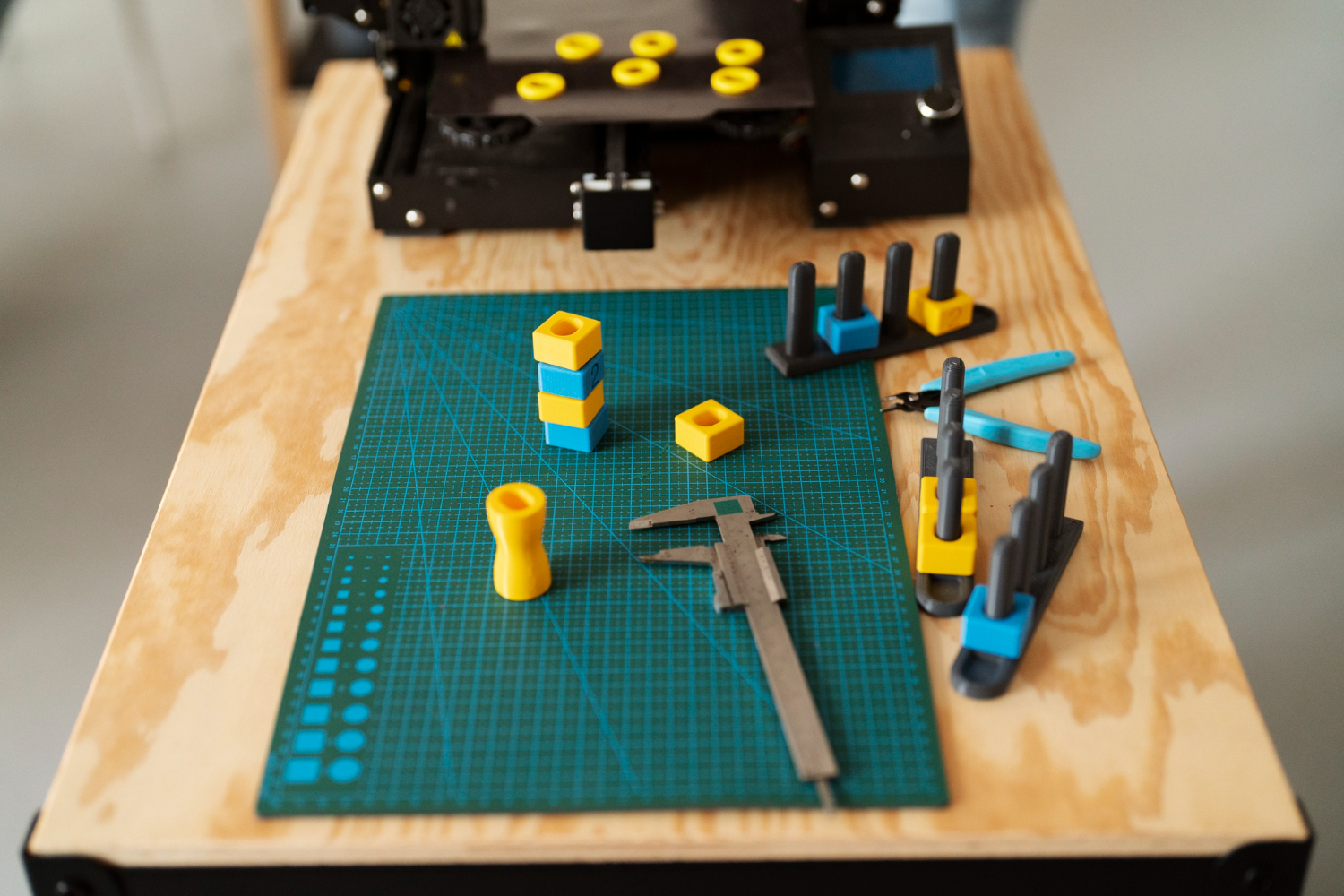
A structured checklist for testing 3D printed prototypes: visual inspection, fit testing, functional validation, and user testing. Get the most out of every iteration.
.webp)





Copyright © 3D On Demand