



Apr 8, 2026
When you're designing a 3D printed drone, the material you choose is just as critical as the design itself. A lightweight part that fails mid-flight creates expensive wreckage; an oversized component to guarantee durability adds weight that tanks your flight time. The best material for 3D printed drone parts depends on what you're printing and what demands that part will face.
This guide covers the materials that actually work for drones: their strengths, weaknesses, and where to use them. Whether you're building a lightweight racer or a rugged mapping drone, understanding material properties will help you avoid costly failures and unnecessary weight penalties.
Why Material Choice Matters for Drone Parts
Your drone's structural integrity depends on four critical material properties:
Strength-to-Weight Ratio
Drones are brutally sensitive to weight. Every gram impacts flight time, payload capacity, and acceleration. You need materials that don't add bulk to achieve durability. High tensile strength with low density is essential.
Impact Tolerance
Drones crash. Landing gear catches the impact first, but vibrations propagate through the airframe. Materials that absorb impact energy rather than shattering survive collisions that would destroy brittle alternatives.
UV and Environmental Resistance
Outdoor drones face sun exposure, temperature swings, and moisture. Materials that degrade under UV light become brittle over months of service. This is why material choice for outdoor drone components requires specific consideration.
Thermal Stability
Motor housings and electronic compartments generate heat. Materials that deform at moderate temperatures can bind moving parts or compromise electronic mounts. Heat resistance directly impacts component lifespan.
The wrong material choice doesn't just mean a single failed print—it means a drone that fails under real-world flight conditions.
PLA: Fast and Cheap, But Not for Drones
PLA (polylactic acid) is the material you start with when learning FDM printing. It's forgiving to print, cheap, and produces clean surface finishes. For drone parts, though, it's a trap.
PLA has a tensile strength around 60 MPa—respectable on paper. The real problem is impact resistance. PLA is brittle. Hit a PLA component hard and it shatters rather than flexing. A propeller guard cracking on the second flight defeats the purpose. Landing gear made from PLA won't absorb shock; it transfers all the impact energy to the frame.
Heat resistance is another killer. Glass transition temperature for PLA sits around 55-60°C. Motor housings, especially near brushless motors in tight enclosures, easily exceed this. Your part warps, loses structural integrity, and shifts electronic components out of position.
When to use PLA for drones: Prototyping only. Use it to verify geometry before committing to print time and material cost in a production material. Don't fly PLA.
PETG: The Practical Middle Ground
PETG is what PLA should be for functional parts. It offers a genuine balance between printability and performance.
Tensile strength lands around 45 MPa (6,500 PSI), comparable to PLA, but the real difference shows up under impact. PETG deforms rather than fractures. Landing gear flexes on impact and absorbs energy. The material is tough enough for repeated stress cycles. A motor mount won't crack when vibration-induced forces cycle thousands of times during a flight.
Print settings are straightforward—higher nozzle and bed temperatures than PLA, but nothing exotic. Part consistency is reliable without requiring specialized handling or post-processing.
The trade-off is UV resistance. PETG degrades in direct sunlight over months. For indoor racing drones or drones used occasionally outdoors, this doesn't matter. For a professional mapping drone that lives outside, UV degradation becomes a maintenance issue.
Tensile strength: 45 MPa
Impact resistance: Excellent
UV resistance: Poor
Best for: Motor mounts, prop guards, internal brackets, racing drone frames
ASA: Built for Outdoor Drones
ASA (acrylonitrile styrene acrylate) is essentially ABS with built-in UV protection. If you're designing a drone that operates outdoors regularly, ASA is where you should start.
UV resistance is the defining advantage. While PETG fades and loses strength under sun exposure, ASA maintains properties across seasons. This matters for professional operations where your drone experiences months of continuous outdoor use.
Tensile strength matches ABS (around 40 MPa), which is competitive. Impact tolerance is respectable. The critical difference from ABS is warping behavior—ASA prints more reliably without the cooling-induced distortions that make ABS prints inconsistent.
Printing requires higher temperatures than PLA or PETG, and material cost runs higher. But for outdoor commercial applications, the reliability and durability justify the investment.
Tensile strength: 40 MPa
UV resistance: Excellent
Heat resistance: Good
Best for: Outdoor drone frames, camera mounts, weatherproof enclosures, multi-season deployments
Nylon (PA12): Maximum Toughness
Nylon is the strongest standard 3D printing filament by tensile strength. Parts print at 80+ MPa, significantly above PLA or PETG. More importantly, nylon is genuinely tough. Impact doesn't trigger fractures—it triggers deformation, and the part recovers.
This makes nylon ideal for high-stress components: landing gear that absorbs repeated hard landings, motor mounts that endure vibration cycles, and drive components that transfer mechanical loads.
The catch is moisture absorption. Nylon is hygroscopic—it absorbs humidity from air and ambient moisture. Wet nylon prints with voids and weak layers. Dimensional accuracy suffers. You must dry material at 60-80°C for 8-12 hours before printing.
Once printed, nylon parts should be stored in a dry environment or sealed containers with desiccant. In humid climates, this means ongoing maintenance of your material supply.
Tensile strength: 80+ MPa
Impact resistance: Outstanding
Moisture sensitivity: High (requires drying protocol)
Best for: Landing gear, motor mounts, high-stress brackets, drive mechanisms
Carbon Fiber Reinforced Nylon: Performance Racing Material
Carbon fiber reinforced nylon combines nylon's toughness with carbon fiber's stiffness-to-weight advantage. Tensile strength climbs to 95+ MPa, and the addition of carbon fiber adds structural stiffness without significant weight increase.
This is the material for racing drones where every gram and every thousandth of an inch of deflection matters. A stiffer frame improves response to control inputs. Lower weight extends flight time. Carbon fiber reinforcement delivers both.
The trade-off is cost and printer compatibility. Not all FDM printers handle carbon fiber composites—the abrasive fibers wear nozzles faster. Print settings are finicky. Material price per kilogram is two to three times higher than standard nylon.
For hobbyists building one or two drones, standard nylon often makes more sense. For teams printing production runs or competing where performance margins matter, carbon fiber nylon is the investment that wins races.
Tensile strength: 95+ MPa
Strength-to-weight ratio: Best available
Heat resistance: Excellent
Best for: Racing drone frames, high-performance aircraft, competitive applications
TPU: Vibration Absorption and Flexibility
TPU (thermoplastic polyurethane) is flexible. It flexes instead of breaking. This makes it the ideal material for parts designed to absorb impact and isolate vibration.
Motor mounts benefit enormously from TPU. Brushless motors create vibration that transmits through rigid mounts directly to the frame and camera. TPU absorbs that vibration energy. A rubber-like dampening layer around the motor significantly reduces vibration transmitted to the airframe.
Landing gear made from TPU flexes on impact, dissipating shock across the material instead of concentrating it at joints. Prop guards that flex rather than crack provide actual protection.
Print settings demand care—high temperatures, slow print speeds, high extrusion widths. The result is slower print times and material waste. But for vibration-critical applications, TPU is irreplaceable.
Tensile strength: 60+ MPa (varies by durometer)
Flexibility: High
Impact absorption: Excellent
Best for: Motor mounts, landing gear, vibration isolation, prop guards
Material Comparison Table
MaterialTensile StrengthImpact ResistanceUV ResistanceEase of PrintingCostBest ForPLA60 MPaPoorPoorExcellentVery LowPrototyping onlyPETG45 MPaExcellentPoorExcellentLowFrames, mounts, guardsASA40 MPaGoodExcellentGoodMediumOutdoor frames, mountsNylon (PA12)80+ MPaOutstandingGoodDifficultMediumLanding gear, stress partsCarbon Fiber Nylon95+ MPaOutstandingExcellentDifficultHighRacing frames, performanceTPU60+ MPaExcellentGoodDifficultMediumMotor mounts, damping
Which Material for Which Drone Part?
Airframes and Main Structure
Use PETG for most drones. Use ASA if the drone operates outdoors regularly and needs UV resistance. Use carbon fiber nylon for racing or performance-critical applications where frame stiffness directly improves control response.
Landing Gear
Nylon is the right choice. The impact tolerance and toughness handle repeated hard landings. TPU works as a secondary material for gear struts that need additional shock absorption.
Motor Mounts
Nylon for rigid mounting that minimizes vibration transmission without significant weight. TPU for vibration isolation when camera shake or sensor noise is the limiting factor.
Propeller Guards
PETG for standard guards—tough enough to flex instead of break on impact. TPU for FPV or racing drones where the guard itself must absorb impact.
Camera Mounts and Enclosures
PETG works for casual operations. ASA for outdoor use where UV degradation would compromise fit tolerances. Nylon if the mount needs to support significant payload without deflection.
Canopies and Fairings
PETG for good finish and durability. ASA if the drone operates outdoors. Avoid PLA—it becomes brittle and cracks under stress.
Make Your Material Selection Count
The best material for 3D printed drone parts isn't the cheapest or easiest to print. It's the one that matches your drone's duty cycle and performance requirements.
For a weekend FPV racer, PETG frames and nylon landing gear will outperform and outlast the drone design. For a professional surveying platform that operates year-round outdoors, ASA structures and nylon components prevent material degradation from becoming a maintenance nightmare.
Understanding material properties prevents costly failures and design iterations. Print once with the right material instead of printing five times with the wrong one.
Ready to Get Your Drone Parts Printed Right?
Choosing the material is step one. Actually getting those parts printed with consistent quality and expert review is step two. 3D-Demand works with engineers to verify material selection matches part function and optimize designs for your chosen 3D printing material.
Whether you need a carbon fiber nylon racing frame or an ASA outdoor drone body, we print, inspect, and deliver parts that fly. Get your drone parts printed in the perfect material.
Additional Resources
For more details on advanced production techniques, see our guide on FDM vs SLS for drone parts.



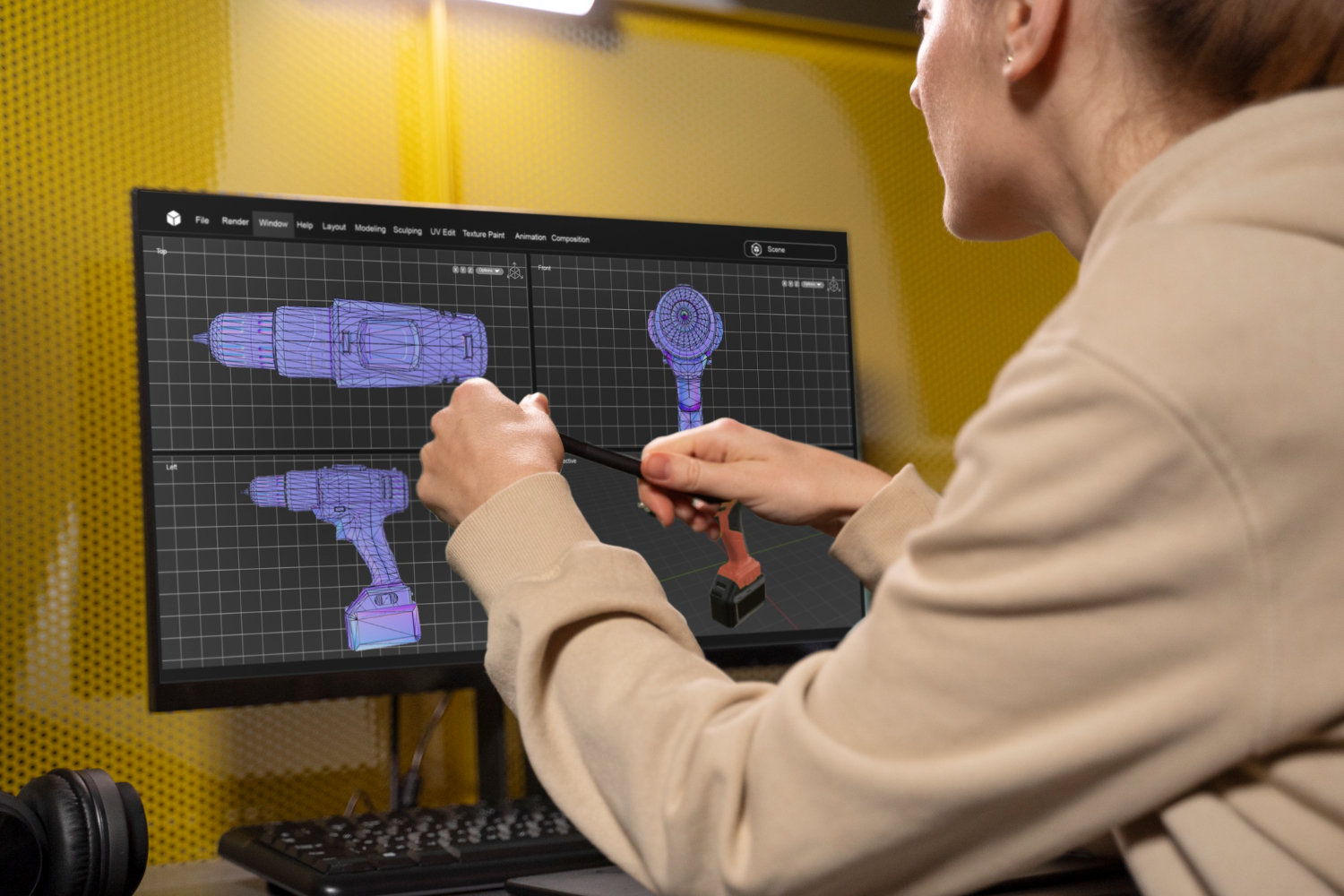
Apr 8, 2026
Design during the day, print overnight, test the next morning. A practical workflow for running rapid prototyping iterations at one per day.


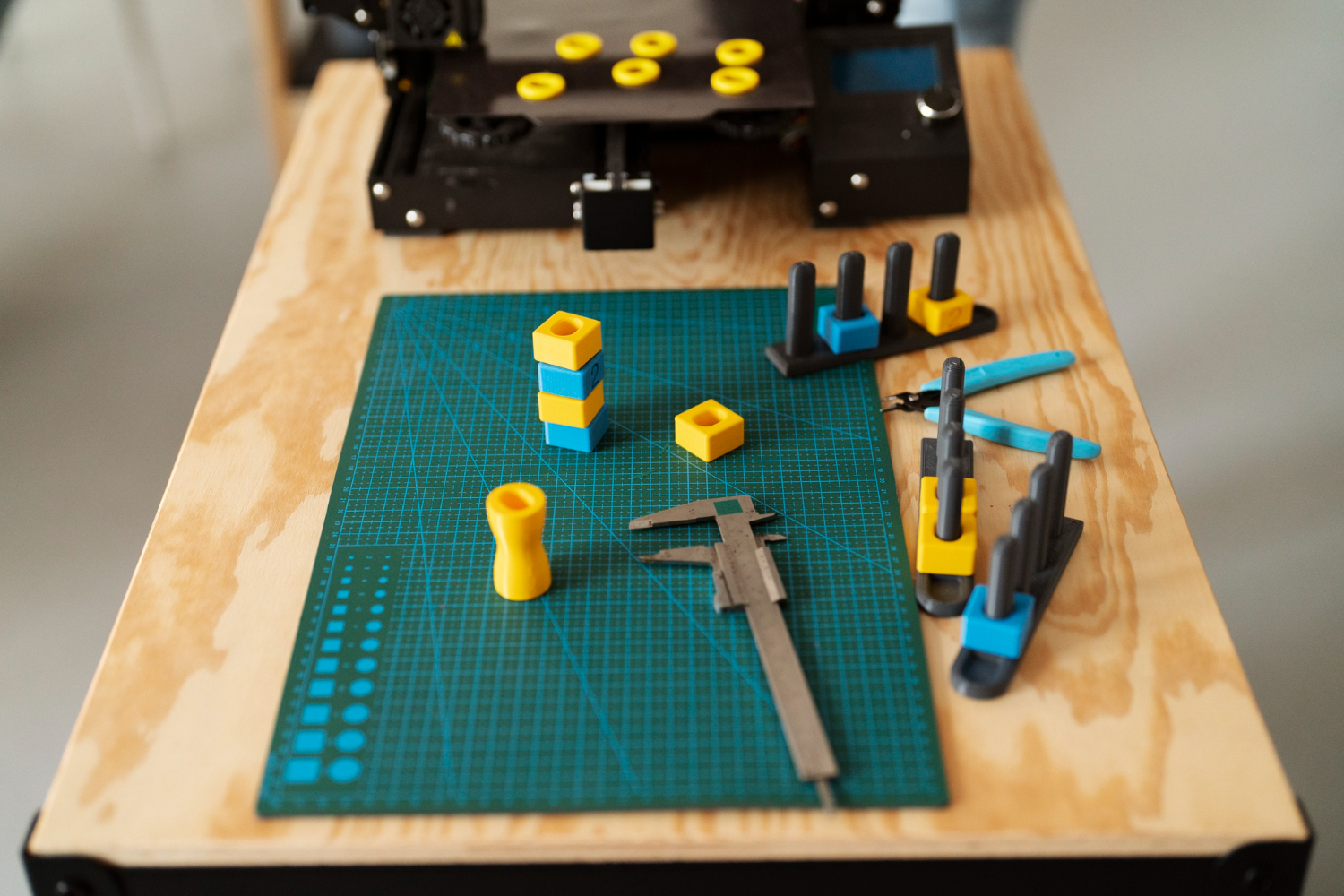
Apr 8, 2026
A structured checklist for testing 3D printed prototypes: visual inspection, fit testing, functional validation, and user testing. Get the most out of every iteration.
.webp)





Copyright © 3D On Demand