


Apr 8, 2026
What Is Multi Jet Fusion?
Multi Jet Fusion (MJF) is an industrial 3D printing technology developed by HP. It builds parts from powdered nylon by jetting a fusing agent onto each layer and then passing an infrared heat source across the build area. Where the fusing agent is applied, the powder melts and fuses together. Where it is not, the powder remains loose and acts as support for the part above — exactly like SLS printing.
The key difference from SLS is speed. Instead of tracing each cross-section with a laser point, MJF fuses an entire layer at once using an inkjet array. This makes MJF significantly faster for large batch builds.
How MJF Works
1. Powder spreading. A thin layer of nylon powder (typically 80 microns) is spread across the build platform.
2. Agent jetting. An inkjet printhead deposits a fusing agent on areas that should solidify and a detailing agent around edges for sharpness.
3. Energy application. An infrared lamp sweeps across the powder bed, melting the treated powder while untreated powder stays loose.
4. Layer repetition. The platform lowers, fresh powder is spread, and the process repeats.
5. Cooling and depowdering. Parts cool gradually, then excess powder is removed with compressed air and bead blasting.
MJF Materials
MJF primarily uses Nylon PA 12, producing parts with excellent mechanical properties: tensile strength of 48 MPa, elongation at break of 20%, and heat deflection up to 175 degrees C. HP also offers PA 11, PA 12 Glass Bead, and TPU for flexible parts.
MJF Tolerances and Accuracy
MJF achieves tolerances of plus or minus 0.2 mm for features up to 100 mm. Layer height is 80 microns, producing finer texture than SLS. Parts have a characteristic grey colour from the fusing agent.
MJF vs SLS Comparison
Speed: MJF is 2 to 3 times faster for full build chambers. Surface finish: MJF produces slightly smoother surfaces. Isotropy: Both produce near-isotropic parts. Cost: For batches of 50 or more, MJF often wins on per-part cost.
When to Choose MJF
MJF is the best choice for batch production of functional nylon parts (20 to 500 pieces), complex geometry without supports, consistent mechanical properties for engineering applications, and fast turnaround on medium batches.
Design Guidelines for MJF
Minimum wall thickness: 0.7 mm (1.0 mm recommended). Minimum feature size: 0.5 mm. Minimum hole diameter: 1.5 mm. Clearance for moving parts: 0.5 mm. Escape holes for trapped powder: at least 3.5 mm diameter. Maximum build size: 380 x 284 x 380 mm.
Getting Started
Upload your STEP, STL, OBJ, 3MF, or IGES file and request a free quote. Not sure which technology to choose? Read our FDM vs SLS vs SLA comparison guide or contact us.



Apr 8, 2026
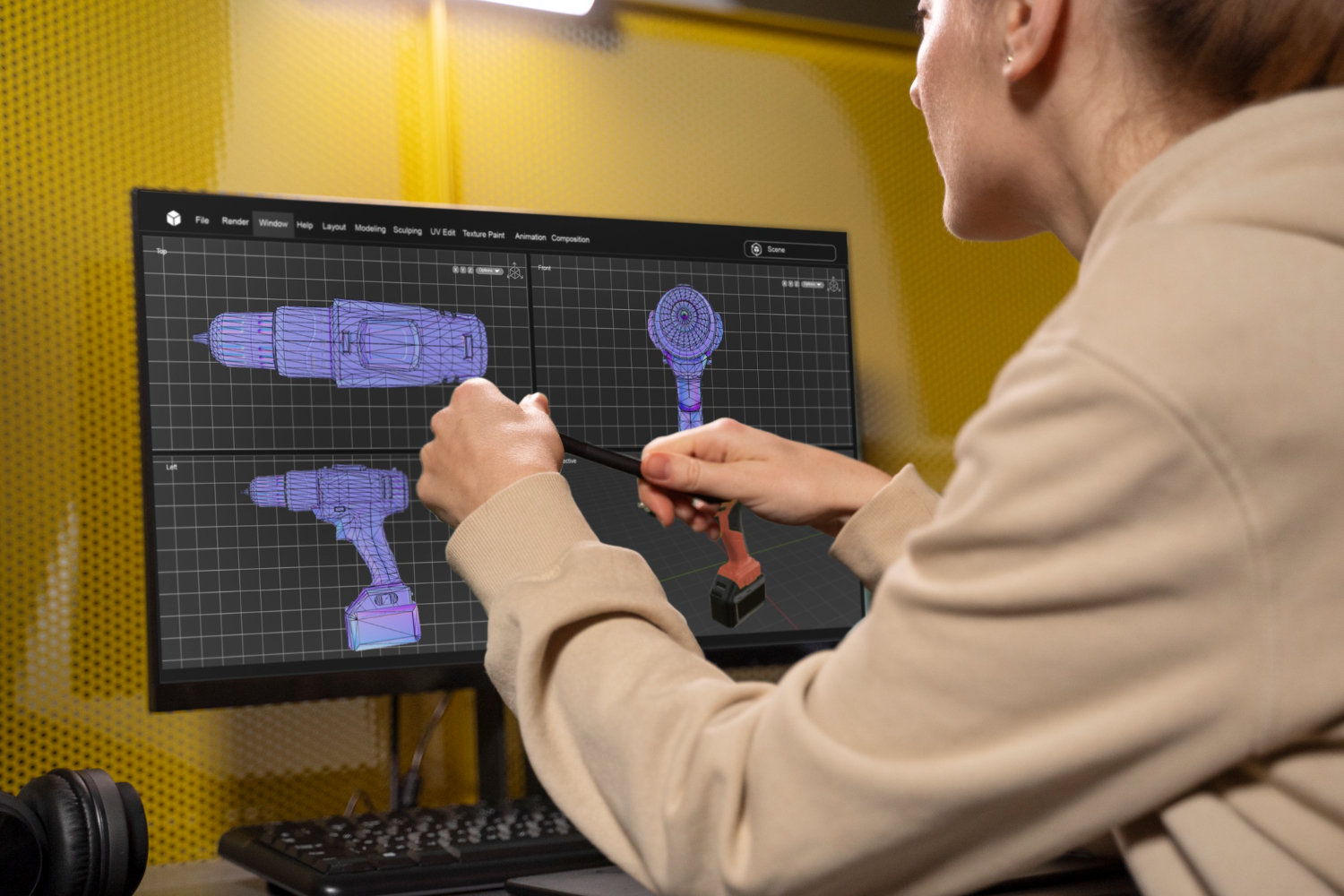
Design during the day, print overnight, test the next morning. A practical workflow for running rapid prototyping iterations at one per day.


Apr 8, 2026
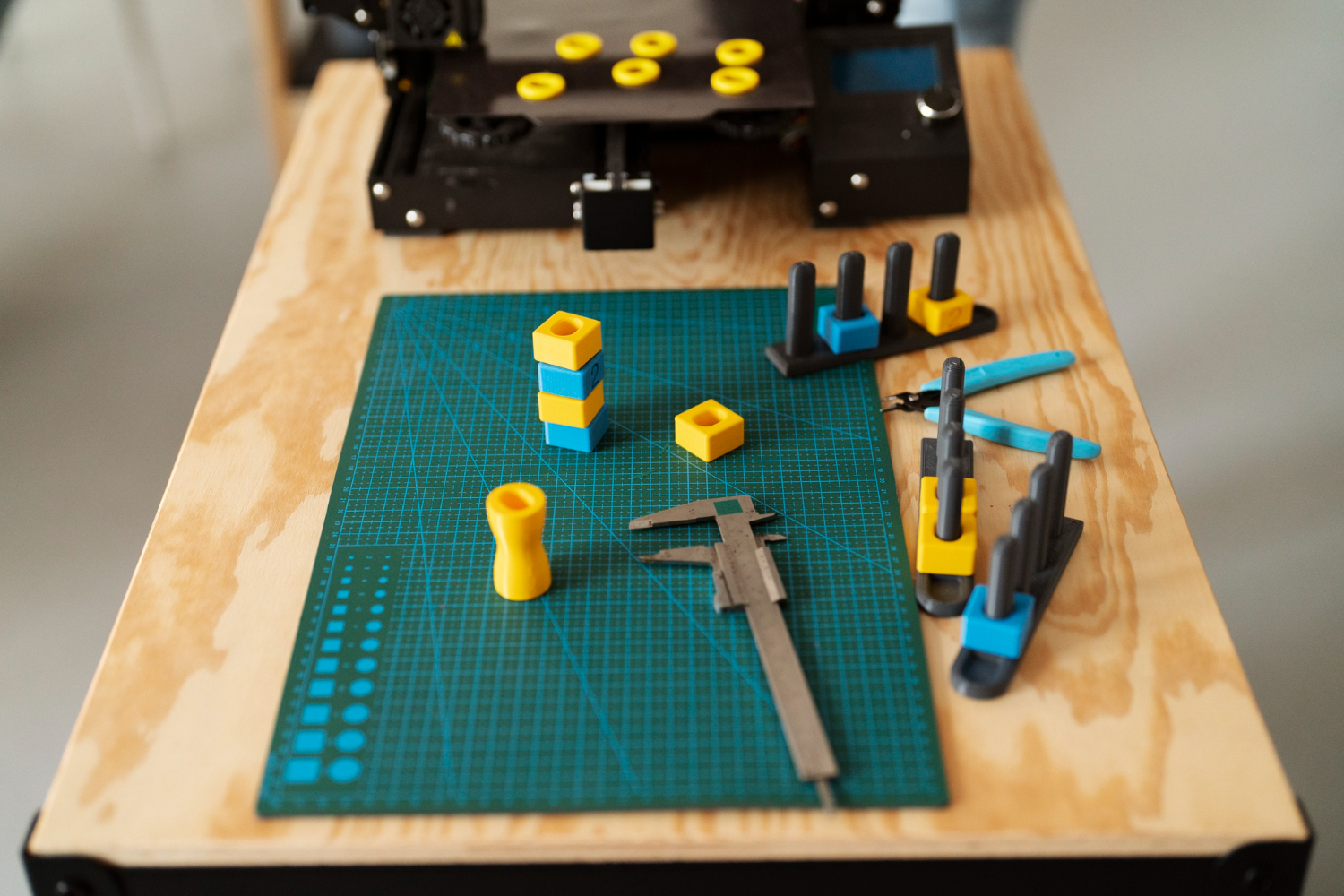
A structured checklist for testing 3D printed prototypes: visual inspection, fit testing, functional validation, and user testing. Get the most out of every iteration.
.webp)





Copyright © 3D On Demand