


Apr 11, 2026
Kleinserienfertigung mit SLS und MJF: Wenn 3D-Druck Spritzguss schlägt
Das Breakeven-Problem
Ihr Produkt ist fertigungsbereit. Sie schätzen, dass Sie anfangs 500–5.000 Einheiten pro Jahr verkaufen werden. Sie haben drei Optionen:
- Werkzeugloser Spritzguss: Niedrige Stückkosten, aber enorme anfängliche Investition.
- CNC-Bearbeitung: Flexibel, aber langsam und teuer bei Volumen.
- 3D-Druck (SLS oder MJF): Keine Werkzeugkosten, anständige Geschwindigkeit, aber ist Qualität und Stückkosten akzeptabel?
Viele Unternehmen wählen falsch, entweder über-investieren in Werkzeugbau für zu kleine Volumen zum Breakeven, oder unterkaufen ihr Produkt durch Handmontage, wenn automatisierter 3D-Druck billiger und schneller wäre.
Dieser Artikel vergleicht SLS- und MJF-3D-Druck mit Spritzguss für Kleinserien-Produktion und bricht die Wirtschaftlichkeit, Qualitätsaspekte und wann jedes Verfahren Sinn macht auf.
Die Wirtschaftlichkeit: Spritzguss vs. 3D-Druck
Spritzguss-Kosten
Werkzeuge (einmalig):
- Einfaches Teil (dünnwandige Schachteln, keine Einsätze): 5.000–15.000 €
- Mittlere Komplexität (Rippen, Schnappungen, enge Toleranzen): 15.000–50.000 €
- Hohe Komplexität (mehrere Schieber, Einsätze, komplexe Geometrie): 50.000–150.000+ €
Stückkosten (nach Werkzeuge bezahlt):
- 1.000 Einheiten: 2–10 €/Stück (Material + Maschinenzeit + Arbeit)
- 5.000 Einheiten: 1–5 €/Stück
- 10.000+ Einheiten: 0,50–3 €/Stück
Lieferzeit: 8–16 Wochen bis zum ersten Artikel (4–8 Wochen Werkzeug, 2–4 Wochen bis erste Charge). Zusätzliche Serien: 3–4 Wochen Bearbeitung.
SLS/MJF 3D-Druck-Kosten
Werkzeuge: Keine. Datei-Vorbereitung und Material/Maschinen-Setup: 100–300 €.
Stückkosten (SLS PA12):
- 1,50–3,00 €/cm³ Material + 50–150 € Bearbeitungs-/Chargen-Overhead
- Ein 50 cm³ Teil könnte 100–200 € pro Einheit kosten
- Ein 200 cm³ Teil könnte 350–750 € pro Einheit kosten
- Die Kosten sind identisch für 1 Einheit oder 100 Einheiten (innerhalb einer Druckcharge)
Stückkosten (MJF Nylon):
- Ähnlich wie SLS PA12, aber 10–20 % billiger aufgrund schnellerer Zykluszeiten
- 1,20–2,50 €/cm³
Lieferzeit: 2–7 Tage bis zum ersten Artikel (abhängig von Warteschlange). Nachfolgende Serien: gleiche 2–7 Tage.
Breakeven-Analyse: Wenn 3D-Druck gewinnt
Lassen Sie uns ein echtes Beispiel vergleichen: ein kleines Kunststoff-Gehäuse (100 cm³, Materialkost ~1–2 € in Spritzguss-Harz, ~150–250 € in SLS).
Szenario 1: Einfaches Teil, geringe Komplexität
Spritzguss:
- Werkzeuge: 10.000 €
- Stückfertigung: 2 € (Material + Arbeit)
- Kosten für 1.000 Einheiten: 10.000 + (1.000 × 2 €) = 12.000 €
- Kosten pro Einheit: 12 €
SLS 3D-Druck:
- Werkzeuge: 200 €
- Stückfertigung: 2,50 € (1,50 €/cm³ × 100 cm³ + 50 € Chargen-Overhead)
- Kosten für 1.000 Einheiten (10 Chargen à 100): 200 + (1.000 × 2,50 €) = 2.700 €
- Kosten pro Einheit: 2,70 €
Gewinner: SLS um 4,4× (2,70 € vs. 12 € pro Einheit)
Breakeven-Punkt: Spritzguß-Breakeven mit 3D-Druck bei ungefähr 5.000–7.000 Einheiten (abhängig von Teilgröße und Komplexität). Unterhalb dieses Volumens ist 3D-Druck billiger.
Szenario 2: Mittlere Komplexität, Multi-Teil-Montage
Nun ein Produkt mit 3 Spritzguss-Teilen plus 2 Metallvorsätzen: Gesamtwerkzeuge 40.000 €.
Spritzguss:
- Werkzeuge: 40.000 € (3 Formen × 10.000 € + Einsätze + Setup)
- Stückfertigung (alle 3 Teile + Montage): 8 €
- Kosten für 1.000 Einheiten: 40.000 + (1.000 × 8 €) = 48.000 €
- Kosten pro Einheit (3-Teil-Montage): 48 €
3D-Druck mit Montage:
- Alle 3 Teile separat drucken: insgesamt 5,50 €/Einheit (Summe aus 3 Teilen, jeweils 1–2,50 €)
- Einsätze und Montage-Arbeit: 2 €/Einheit
- Stückkosten: 7,50 €/Einheit
- Kosten für 1.000 Einheiten: 200 € (Setup) + (1.000 × 7,50 €) = 7.700 €
Gewinner: 3D-Druck um 6,2× (7,50 € vs. 48 € pro Einheit)
Breakeven-Punkt: Ungefähr 8.000–12.000 Einheiten, abhängig von Montage-Komplexität. Für Volumen unter 5.000 spart 3D-Druck enormes Geld.
Qualität und Toleranz-Vergleich
Maßgenaue Genauigkeit
| Merkmal | Spritzguss | SLS | MJF |
|---|---|---|---|
| Wandtoleranz | ±0,2 mm typisch | ±0,3–0,1 mm | ±0,2–0,1 mm |
| Schnappungs-Stifte | ±0,05 mm erreichbar | ±0,1–0,2 mm (funktional, aber lockerer) | ±0,1 mm (besser) |
| Boss-Höhe | ±0,1 mm erreichbar | ±0,2 mm typisch | ±0,15 mm typisch |
| Oberflächenfinish | Ra 0,8–1,6 µm (glänzend oder strukturiert) | Ra 5–8 µm (körnige Struktur) | Ra 4–6 µm (glatter) |
Schlüsseleinsicht: Sowohl SLS als auch MJF sind präzise genug für die meisten Verbraucher- und Industrieprodukte. Spritzguss glänzt bei engen Toleranzen und ästhetischen Finishs, aber für funktionale Passformen – Schnappungen, Spalte, Montage – ist 3D-Druck "ausreichend" und bei niedrigen Volumen weitaus billiger.
Design-Überlegungen: 3D-Druck vs. Spritzguss
Design für Spritzguss
Spritzguß-Designs müssen Werkzeug-Einschränkungen berücksichtigen:
- Einheitliche Wandstärke (2–4 mm typisch)
- Großzügige Abschräg-Winkel (1–3°, um Teilentnahme zu ermöglichen)
- Minimale Unterschnitte (erfordern teure Schieber-Werkzeuge)
- Einfache Geometrie mit wenigen Flächen
- Große Produktionsserien, um Werkzeugkosten zu amortisieren
Design für 3D-Druck (SLS/MJF)
3D-Druck ermöglicht Design-Optimierung für Leistung:
- Variable Wandstärke (dicker, wo Steifigkeit gebraucht, dünner zum Gewicht sparen)
- Komplexe interne Geometrie (Rippen, Waben-, Gitterstrukturen zum Gewichtsparen)
- Unterschnitte und organische Formen (keine Design-Kompromisse)
- Integrierte Schnappungen, Scharniere und bewegliche Teile
- Leichte Strukturen, die unmöglich zu spritzen wären
Beispiel: Ein Halter für einen Roboterarm kann mit einem Gitter-Kern und dünnen Wänden entworfen werden, was die Masse um 40% vs. einem gegossenen Festdesign reduziert. Bei niedrigen Volumen ermöglicht 3D-Druck diese Innovation kosteneffektiv.
Geschwindigkeit beim Markteintritt
Spritzguss: 2–4 Monate von Design-Abschluss bis zu ersten Produktionseinheiten. Lange Lieferzeit macht Iteration riskant.
3D-Druck: Design Montagmorgen fertiggestellt → erster Prototyp Dienstagabend. Iterieren und optimieren Sie innerhalb von Tagen, nicht Wochen.
Für Startups und innovative Unternehmen ist dieser Geschwindigkeitsvorteil transformativ. Sie können Ihr Produktdesign mit Kunden validieren, bevor Sie 30.000+ € in Werkzeuge investieren.
Material-Vergleich
| Material-Eigenschaft | Spritzguss-Harz (ABS/PP) | SLS PA12 | MJF PA12 |
|---|---|---|---|
| Zugfestigkeit | 30–50 MPa | 48–56 MPa | 48–56 MPa (ähnlich wie SLS) |
| Ermüdungsbeständigkeit | Gut; 10³–10⁴ Zyklen typisch | Exzellent; 10⁴–10⁵ Zyklen | Exzellent; 10⁴–10⁵ Zyklen |
| Schlagfestigkeit | ABS: gut; PP: fair | Exzellent; bricht nicht | Exzellent; bricht nicht |
| Chemische Beständigkeit | Gut für Öle/Lösungsmittel; fair für Wasser-Absorption | Exzellent für Öle; absorbiert Feuchtigkeit über Zeit | Exzellent für Öle; absorbiert Feuchtigkeit über Zeit |
| Ästhetik (kosmetisches Finish) | Glänzend oder strukturiert; hochgradig anpassbar | Körnig, kann gefärbt oder beschichtet werden; begrenzt glänzend | Leicht glatter als SLS; kann beschichtet werden |
Urteil: SLS- und MJF-PA12 wirken gleichwertig wie Spritzguss-ABS oder PP für funktionale Teile. Das Material ist tatsächlich überlegen bei Ermüdungs- und Schlagfestigkeit. Kosmetisches Finish ist die einzige Schwachstelle; wenn Glanz und perfekte Struktur wichtig sind, gewinnt Spritzguss. Für funktionale Elektronik-Gehäuse oder mechanische Komponenten ist 3D-Druck bei niedrigen Volumen die bessere Wahl.
Produktions-Volumen-Sweet-Spot
- 1–500 Einheiten: 3D-Druck entschieden billiger. Keine Konkurrenz.
- 500–2.000 Einheiten: 3D-Druck immer noch billiger, wenn Teil mittelmäßig komplex ist (>50 cm³). Einfache Teile könnten sich dem Spritzguß-Breakeven nähern.
- 2.000–5.000 Einheiten: 3D-Druck und Spritzguss konkurrierend; hängt von Teilkomplexität und Details ab. Anforderungen an kosmetisches Finish bevorzugen Spritzguss.
- 5.000–10.000 Einheiten: Spritzguss breakeven und beginnt zu gewinnen bei Kosten.
- 10.000+ Einheiten: Spritzguss gewinnt klar; Stückkosten fallen auf 0,50–3 €.
Die Hybrid-Strategie: Das Beste aus beiden Welten
Viele Hersteller verwenden einen Hybrid-Ansatz:
Phase 1: Start und Validierung (0–6 Monate) – 3D-druck 500–2.000 Einheiten zum Marktstart. Sammeln Sie Kunden-Rückmeldungen, validieren Sie Design. Kosten: 2.000–10.000 €.
Phase 2: Mit 3D-Druck skalieren (6–18 Monate) – Falls erfolgreich, fahren Sie 3D-Druck fort, während Nachfrage auf 5.000–10.000 Einheiten steigt. Optimieren Sie Design für Kostenreduktion. Keine Werkzeug-Investition noch nötig.
Phase 3: Zum Spritzguss übergehen (18+ Monate) – Sobald Volumen klar über 5.000 Einheiten jährlich liegt, investieren Sie in Werkzeuge. Gegossene Teile sind jetzt billiger, und die Werkzeug-Investition gerechtfertigt.
Vorteile dieses Ansatzes:
- De-risked Produkt; Sie investieren nicht 50.000 € in Werkzeuge für eine untestete Idee
- Ermöglicht Design-Iteration zu niedrigen Kosten in der Launch-Phase
- Erfasst First-Mover-Vorteil; kommen Sie in Wochen, nicht Monaten auf den Markt
- Übergang zu Spritzguss nur wenn Nachfrage die Investition rechtfertigt
Wann Spritzguss noch Sinn macht
Spritzguss ist in diesen Szenarien überlegen:
- Hochvolumen-Commodities (10.000+ Einheiten/Jahr): Stückkosten fallen gut unter 3D-Druck.
- Kosmetik-/Verbraucherprodukte: Hochglanz-Finishs, präzise Farbe, Premium-Ästhetik. Spritzguss glänzt.
- Ultra-enge Toleranzen: Konsistent <0,1 mm Toleranzen über alle Teile. Spritzguss zuverlässiger.
- Material-Einschränkungen: Bestimmte Kunststoffe (Polycarbonat, PEEK, LCP) sind für 3D-Druck nicht (leicht) verfügbar.
- Komplexe Multi-Material-Teile: Einsätze, Gate-Design, Farb-Blending in der Form. Spritzguss bietet integrierte Lösungen.
Entscheidungs-Rahmen
Verwenden Sie 3D-Druck, wenn:
- Volumen unter 5.000 Einheiten/Jahr liegt
- Sie in unter 8 Wochen auf den Markt müssen
- Design noch entwickelt wird (Iteration notwendig)
- Kosmetisches Finish nicht kritisch ist
- Teil mittelmäßig komplex (profitiert von Design-Freiheit)
Verwenden Sie Spritzguss, wenn:
- Volumen klar über 5.000–10.000 Einheiten/Jahr liegt
- Zeitplan 2–4 Monate für Werkzeuge zulässt
- Design gesperrt und stabil ist
- Kosmetisches Finish wichtig ist (Glanz, Struktur, Farbe)
- Toleranzen eng sind (<0,05 mm)
Real-World-Beispiel: Produkt-Start
Produkt: Ein Smart-Home-IoT-Gehäuse für ein vernetztes Geräte. Geschätztes Volumen im ersten Jahr: 2.000–5.000 Einheiten.
Option A: Werkzeug-Spritzguss
- Werkzeug-Investition: 25.000 €
- Stückkosten: 3 €
- Gesamt für 3.000 Einheiten: 34.000 €
- Lieferzeit: 4 Monate bis zu ersten Einheiten
- Risiko: Falls Produkt fehlschlägt, 25.000 € ist verloren
Option B: 3D-Druck (SLS)
- Werkzeug-Investition: 300 €
- Stückkosten: 4–5 € (Material + Arbeit)
- Gesamt für 3.000 Einheiten: 12.300–15.300 €
- Lieferzeit: 2 Wochen bis zu ersten Einheiten
- Risiko: Niedrig. Falls Produkt fehlschlägt, nur 300 € verloren.
Entscheidung: Verwenden Sie 3D-Druck für das erste Jahr. Start in 2 Wochen (vs. 4 Monate). Sammeln Sie Kunden-Rückmeldungen. Wenn Produkt nach Jahr 1 erfolgreich, übergehen Sie zu Spritzguss für Jahr-2-Produktion.
Ergebnis:
- Jahr 1 (3D-gedruckt): 3.000 Einheiten @ 4,50 € = 13.500 €
- Jahr 2+ (gegossen): 5.000+ Einheiten/Jahr @ 3 € = 15.000 €/Jahr
- Gesamtkosten für 13.000 Einheiten über 3 Jahre: 13.500 € + (15.000 € × 2) = 43.500 €
- vs. Spritzguss von Tag 1: 25.000 € + (3 € × 13.000) = 64.000 €
- Einsparungen: 20.500 € (32 %) plus de-risked Produkt-Start und schneller Markteintritt
Unser Kleinserien-Fertigungsservice
Bei 3D-Demand spezialisieren wir uns auf genau diesen Anwendungsfall: Produkte bei kleinen Volumen mit SLS und MJF starten, dann zu höheren Volumen hochfahren, wenn Nachfrage wächst. Unser Produktionsservice umfasst Design-Überprüfung, Material-Auswahl, Prototyping und Hochvolumen-Chargen-Produktion.
Wenn Sie zwischen 3D-Druck und Spritzguss für Ihr Produkt entscheiden, können wir eine detaillierte Kosten-Nutzen-Analyse durchführen. Kontaktieren Sie uns mit Ihren Produkt-Zeichnungen, geschätztem Volumen und Lieferzeitanforderungen. Wir modellieren beide Pfade und empfehlen die kosteneffektivste Route zum Markt.


Apr 8, 2026
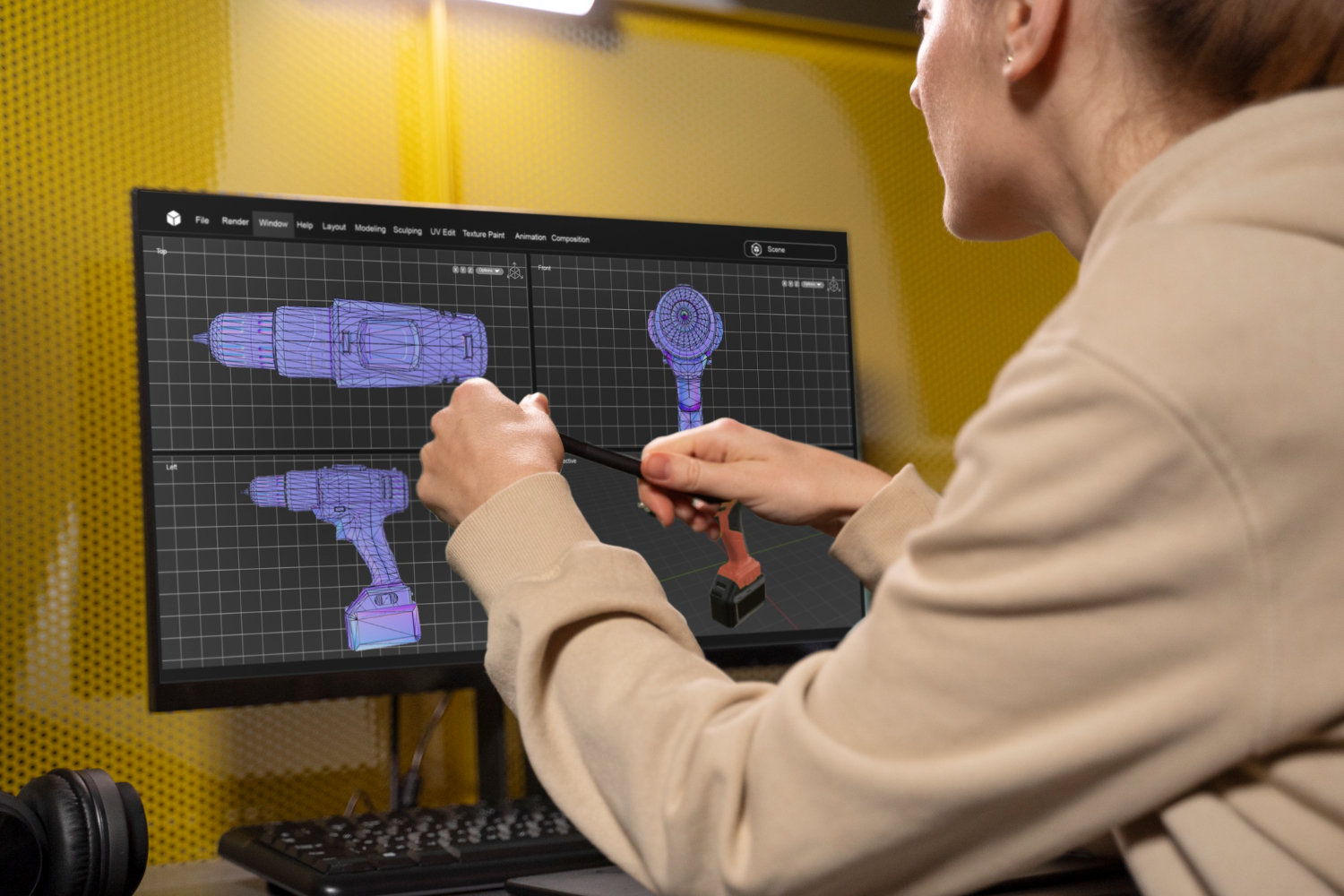
Design during the day, print overnight, test the next morning. A practical workflow for running rapid prototyping iterations at one per day.


Apr 8, 2026
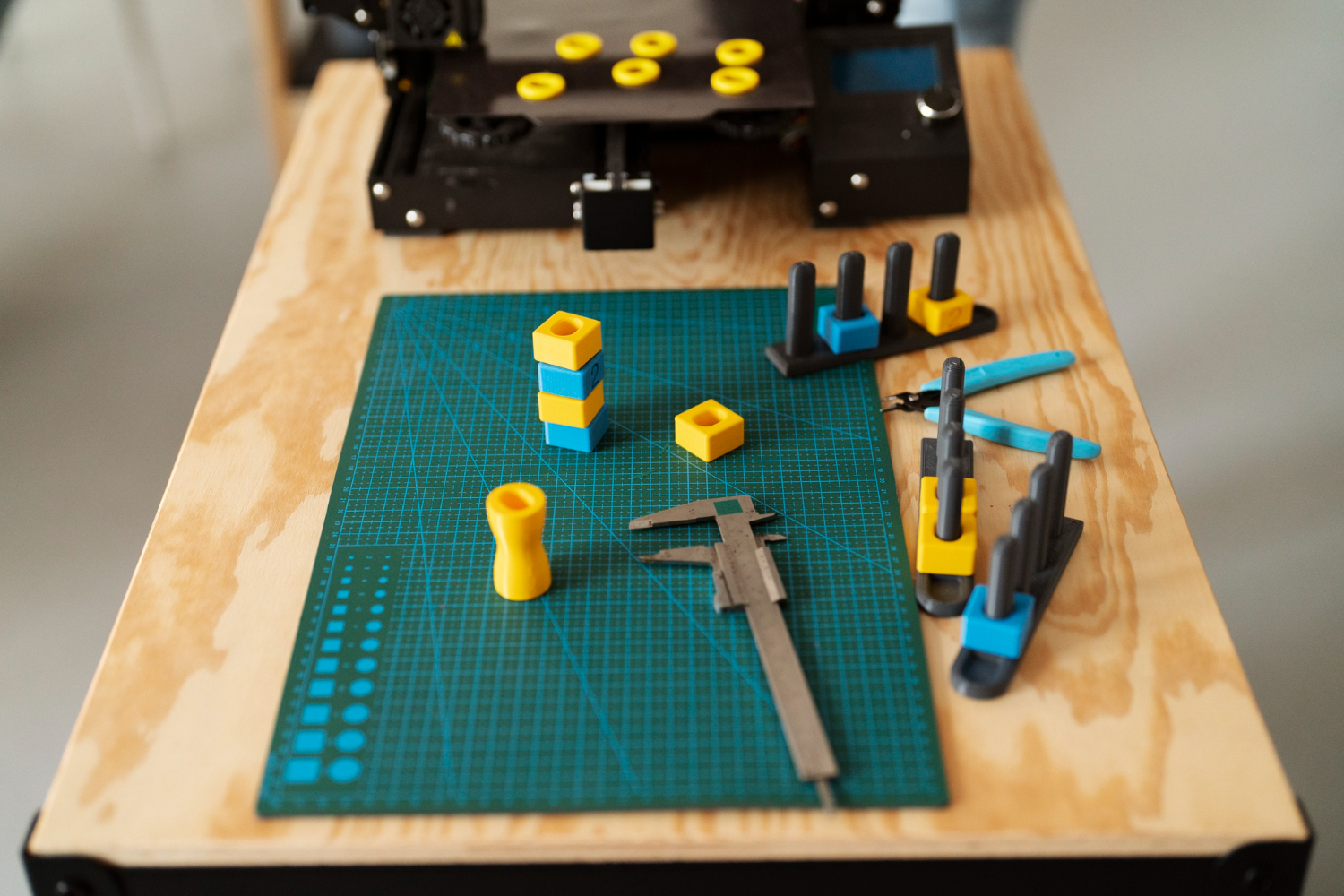
A structured checklist for testing 3D printed prototypes: visual inspection, fit testing, functional validation, and user testing. Get the most out of every iteration.
.webp)




Copyright © 3D On Demand