


Apr 8, 2026
This guide breaks down the real economics, timelines, and decision points for moving from 3D printed prototypes to volume production. Whether you're at 50 units or 5,000, we'll help you figure out the smartest manufacturing path.
The Old Rules Don't Apply Anymore
Five years ago, the advice was simple: prototype with 3D printing, then switch to injection molding as soon as possible. 3D printing was slow, expensive per unit, and limited in materials. Injection molding was the only serious option for production.
That equation has changed dramatically. SLS and MJF technologies now produce parts in engineering-grade nylon that rival injection-molded plastics in strength, surface finish, and consistency. Per-unit costs have dropped significantly. And turnaround times have compressed from weeks to days.
The result is a new manufacturing reality where 3D printing isn't just a prototyping tool — it's a legitimate production method for certain volumes and applications. The key is knowing where the crossover point is for your specific product.
Understanding the Cost Curves
The fundamental difference between 3D printing and injection molding is how costs are structured.
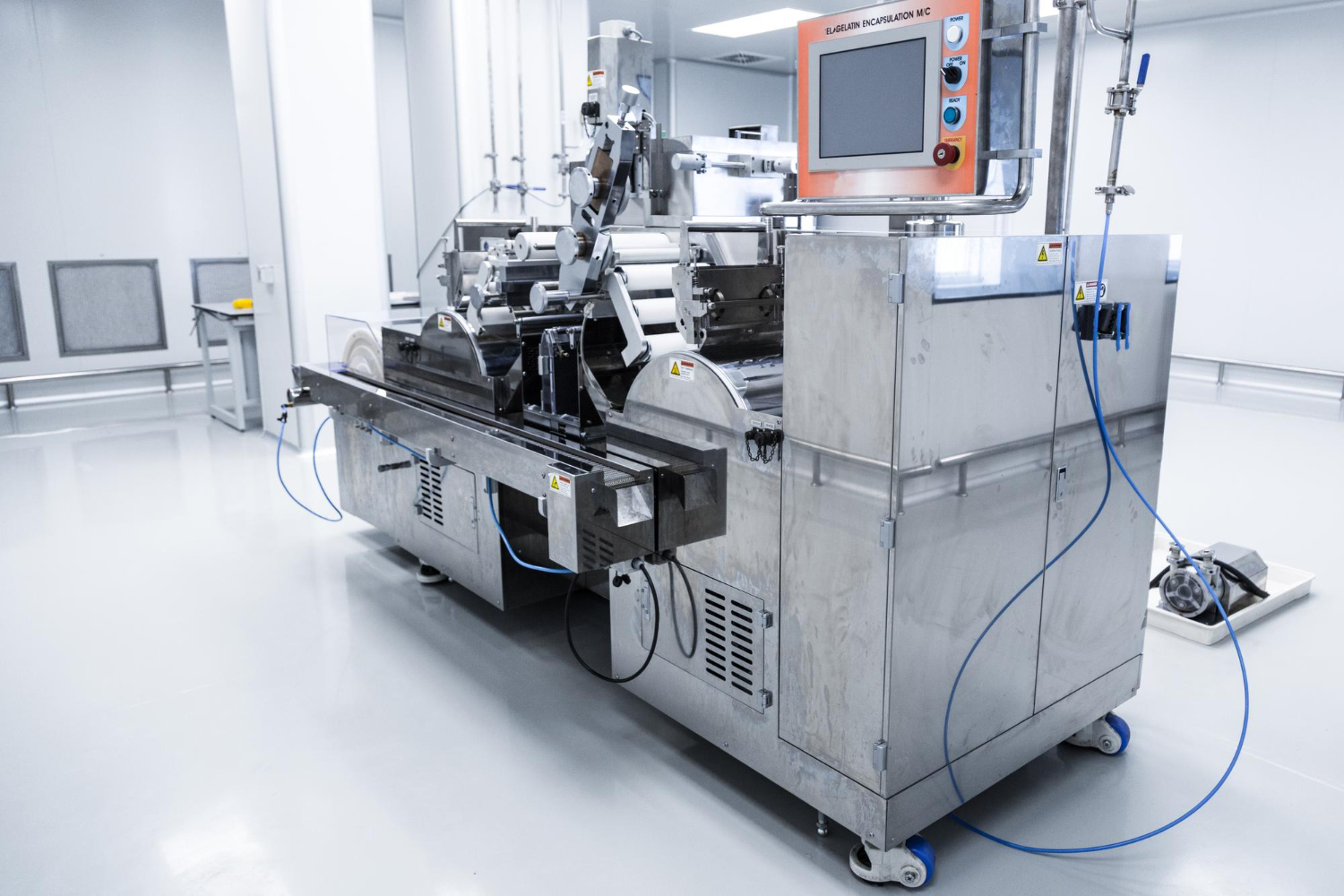
Injection molding has high upfront costs and low per-unit costs. You pay €5,000–€50,000+ for the mold (depending on complexity, material, and number of cavities), and then each part costs €0.50–€5.00 to produce. The more parts you make, the more that mold cost is amortized, and the cheaper each part becomes.
On-demand 3D printing has zero upfront costs and a flat per-unit cost. Whether you order 1 part or 500 parts, the per-unit cost stays roughly the same (with some volume discounts). There's no tooling, no mold, no setup fee. Your first unit costs the same as your hundredth.
This creates a crossover point — a specific quantity where injection molding becomes cheaper than 3D printing per unit, including the amortized mold cost.
For a typical small-to-medium plastic part, that crossover point is usually somewhere between 200 and 1,000 units, depending on part size, complexity, material, and mold cost.
Below that crossover point, 3D printing is cheaper. Above it, injection molding wins on cost.
But cost per unit is only part of the equation.
The Factors Beyond Cost Per Unit
Time to market. An injection mold takes 4–12 weeks to design and manufacture. During that time, you can't produce a single part. With a 3D print on demand model, you can start selling immediately. For a startup that needs revenue to survive, or a product team racing against a competitive launch window, those weeks matter enormously.
Design flexibility. Once your mold is cut, changes are expensive. A minor modification might require a new mold insert (€1,000–€5,000). A major change means a new mold entirely. With 3D printing, design changes cost nothing — you simply upload the new file and print. If your product is still evolving based on customer feedback, locking into a mold too early is a risk.
Inventory risk. Injection molding is most cost-effective in large runs. But large runs mean large inventory. If your product doesn't sell as expected, or if you discover a design flaw after producing 5,000 units, you're sitting on expensive stock. On-demand 3D printing eliminates this risk entirely. You print what you need, when you need it.
Complexity. 3D printing handles geometric complexity that injection molding can't — or can only achieve with expensive multi-part molds, side actions, and inserts. Internal channels, lattice structures, undercuts, and integrated assemblies are all straightforward in 3D printing but challenging or impossible in injection molding.
Cash flow. A €15,000 mold is a major cash outlay for an early-stage startup. 3D print on demand lets you preserve cash by paying only for the parts you need, when you need them. You invest in tooling when your sales volume justifies it — not before.
The Bridge Manufacturing Strategy
The smartest approach for most product companies isn't a binary choice between 3D printing and injection molding. It's a bridge strategy that uses each method where it's strongest.
Phase 1: Prototyping (0–20 units). Use a 3D printing service for all your prototypes. FDM for concept models, SLA for visual prototypes, SLS/MJF for functional testing. Iterate rapidly. This phase typically costs €500–€3,000 total and takes 2–6 weeks.
Phase 2: Bridge production (20–500 units). You've validated your design and you're ready to sell. But you don't have €15,000 for a mold, and you're not sure demand will justify it. Use SLS or MJF 3D printing for your initial production run. Sell these units, gather customer feedback, and prove market demand. This phase lets you generate revenue while you refine the design.
Phase 3: Scale production (500+ units). Your design is locked, demand is proven, and you have the cash flow to invest in tooling. Commission your injection mold, using all the learnings from hundreds of 3D printed units in the field. Your mold is based on a thoroughly tested design, not a theoretical one — which means fewer costly mold revisions.
This bridge approach reduces risk at every stage. You never invest in expensive tooling before the design is proven. You never produce thousands of units before demand is confirmed. And you maintain the ability to make design improvements right up until the mold is commissioned.
When 3D Printing IS Your Production Method
For some products, the crossover point never arrives — and 3D printing remains the best production method indefinitely.
Low-volume, high-value products. If you're selling 50–200 units per year of a specialized device, industrial tool, or niche consumer product, the math may never favor injection molding. The mold cost can't be amortized over enough units to beat 3D printing's flat per-unit cost.
Highly customized products. If each unit is different — personalized medical devices, custom-fit wearables, bespoke enclosures for unique installations — injection molding simply can't deliver. 3D printing thrives on customization because there's no tooling to modify.
Products with frequent design updates. If you release hardware updates quarterly or annually, a new mold each time destroys your economics. With on-demand 3D printing, a design update is just a new file upload.
Spare parts and accessories. Even if your main product is injection-molded, accessories, replacement parts, and special editions are often better served by 3D printing. You don't need to maintain mold inventory for low-demand variants.
Design-for-Manufacturing: Preparing for the Transition
If you plan to eventually move to injection molding, some design decisions during the prototyping phase will make that transition smoother.
Draft angles. 3D printing doesn't need them; injection molding does. Adding 1–2° of draft to vertical walls from the beginning means your CAD file is closer to mold-ready when the time comes. It doesn't affect 3D printing quality, so there's no downside.
Uniform wall thickness. 3D printing tolerates varying wall thickness well. Injection molding does not — it causes sink marks, warping, and uneven cooling. Designing with consistent wall thickness (typically 1.5–3mm) throughout your part prepares it for both methods.
Gate and ejection points. Where plastic enters the mold (gate) and where the part is pushed out (ejection) affects surface quality. While you don't need to design these into your 3D printed version, be aware of where they'll end up on the injection-molded version — avoid placing critical surfaces or cosmetic areas at these locations.
Undercuts and overhangs. These are free in 3D printing but expensive in injection molding (requiring side actions or collapsing cores). If possible, design your part so it can be pulled straight out of a two-part mold. If you need undercuts for functionality, use snap-fits that can be formed by the mold's natural parting line.
A good 3D printing service doesn't just print your parts — they can advise you on design-for-manufacturing considerations that will save you time and money when you eventually transition. At 3D On Demand, our engineering team reviews every order and can flag potential injection molding challenges before you commit to a mold.
Real Numbers: A Case Study
Consider a typical IoT sensor housing — a two-part enclosure, roughly 80 × 50 × 25mm, in engineering-grade plastic.
3D printing (SLS Nylon PA12): Per-unit cost approximately €15–25. No setup cost. Lead time: 3–5 business days. Minimum order: 1 unit.
Injection molding: Mold cost approximately €8,000–€12,000 for a simple two-cavity mold. Per-unit cost approximately €1.50–€3.00 once the mold is made. Lead time for mold: 6–10 weeks. Lead time for parts once mold exists: 2–4 weeks. Minimum order typically 500–1,000 units.
At 100 units, 3D printing costs roughly €1,500–€2,500 total. Injection molding costs roughly €8,500–€12,300 (mold + parts). 3D printing wins by a factor of 4–5×.
At 500 units, 3D printing costs roughly €7,500–€12,500. Injection molding costs roughly €8,750–€13,500. They're roughly equal. But with 3D printing you had zero upfront cost, you could have started selling six weeks earlier, and you could have modified the design mid-run if needed.
At 2,000 units, 3D printing costs roughly €30,000–€50,000. Injection molding costs roughly €11,000–€18,000. Injection molding clearly wins.
The crossover point for this example is around 500–700 units — assuming no design changes. If you factor in even one mold revision (€2,000–€5,000), the crossover point shifts significantly higher.
Making the Decision
Here's a practical framework. Keep 3D printing as your production method if your annual volume is under 500 units, your design changes more than once a year, each unit is customized, or you're not yet confident in market demand. Start the injection molding transition when your annual volume consistently exceeds 500–1,000 units, your design has been stable for 6+ months with no changes anticipated, you have the cash flow to invest in tooling, and you've validated demand through 3D printed production runs.
Use bridge manufacturing if you're between these stages — and most growing product companies are.
The Bottom Line
The prototype-to-production transition isn't a cliff — it's a gradient. On-demand 3D printing has blurred the line between prototyping and manufacturing, giving product teams the flexibility to produce at any volume without the traditional barriers of tooling, minimums, and long lead times.
The best strategy is the one that matches your current reality: your volume, your cash flow, your design maturity, and your market certainty. A 3D printing service like 3D On Demand can support you across the entire journey — from your first concept prototype through bridge production and into the transition to injection molding when the time is right.
Don't rush to tooling. Let your product, your customers, and your sales data tell you when it's time.


Apr 8, 2026
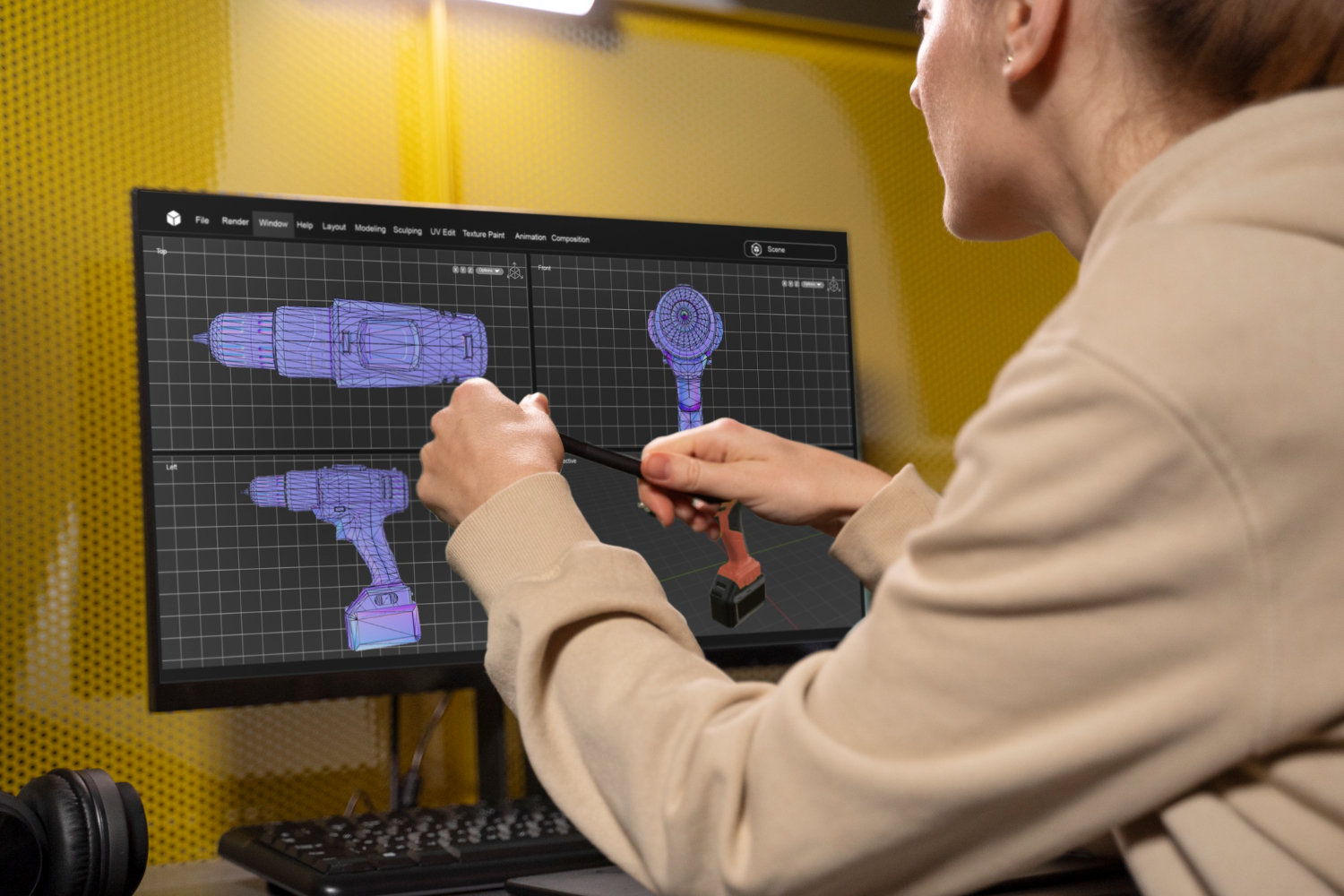
Design during the day, print overnight, test the next morning. A practical workflow for running rapid prototyping iterations at one per day.


Apr 8, 2026
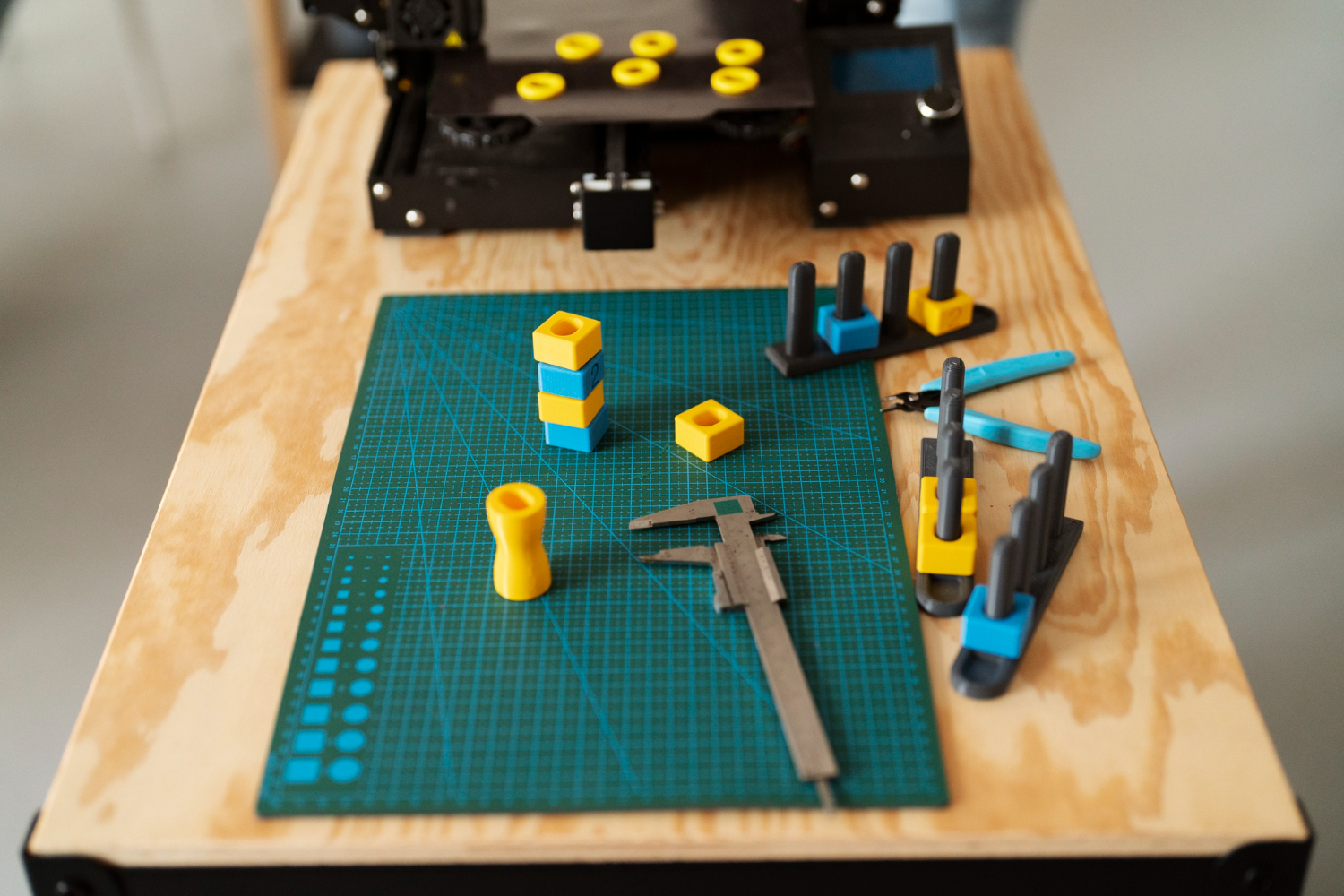
A structured checklist for testing 3D printed prototypes: visual inspection, fit testing, functional validation, and user testing. Get the most out of every iteration.
.webp)





Copyright © 3D On Demand