


Apr 8, 2026
Nylon PA12 vs PA11: Properties, Applications, and Costs Compared
When selecting a nylon material for your 3D printing project, the choice between PA12 and PA11 can significantly impact your part's performance and project cost. Both materials are polyamides widely used in SLS and other powder-based printing technologies, yet they exhibit distinct differences in mechanical properties, chemical resistance, and price. This comprehensive comparison helps you understand which material best suits your application.
Material Overview: PA12 and PA11
Polyamide 12 (PA12) and Polyamide 11 (PA11) are semicrystalline thermoplastic polymers belonging to the polyamide family. Both materials are suitable for demanding applications requiring high mechanical strength, chemical resistance, and thermal stability. While structurally similar, their molecular architecture creates meaningful performance differences that become critical in specific applications.
PA12 is the more widely available and established material, particularly in industrial 3D printing. It's synthesized from petrochemical sources and has been used in manufacturing for decades. In powder-based printing like SLS, PA12 remains the most common choice due to widespread availability, established processing knowledge, and cost-effectiveness.
PA11 is a biopolymer derived from castor oil, making it more sustainable than PA12. It offers several performance advantages in specific scenarios, though at a premium cost. PA11 is increasingly preferred in automotive and medical applications where material performance and environmental considerations align.
Mechanical Properties Comparison
Both PA12 and PA11 deliver excellent mechanical strength compared to other 3D printing materials. However, they differ in specific ways that matter for engineering applications.
Tensile Strength: PA12 exhibits tensile strength around 80-90 MPa depending on printing parameters and post-processing. PA11 offers slightly higher tensile strength, typically 90-100 MPa, making it marginally stronger in direct tension. This advantage becomes meaningful in applications experiencing primarily tensile loads, such as cables or tie-down straps.
Elongation at Break: This is where PA11 demonstrates a significant advantage. PA11 offers 150-180% elongation at break compared to PA12's 100-130%. This superior elasticity means PA11 parts can stretch and flex without breaking, making it exceptional for applications requiring impact absorption or vibration damping. PA11 is the clear choice for hinges, snap-fits, and flexible mechanical components.
Modulus of Elasticity: PA12 provides slightly higher stiffness with a modulus around 4000-5000 MPa, while PA11 offers approximately 3500-4000 MPa. The harder PA12 is preferred when dimensional stability and resistance to deflection matter most. For applications with tight tolerance requirements or components experiencing deflective loads, PA12 maintains superior form stability.
Impact Resistance: Both materials exhibit good impact resistance, though PA11's superior elongation translates to better shock absorption. PA11 is the preferred choice for drop-impact scenarios or applications in environments with vibration and shock loading.
Thermal Properties
Temperature resistance differs meaningfully between these materials. PA12 maintains mechanical properties up to approximately 80°C continuous operating temperature, with brief excursions to 120°C acceptable. PA11 offers comparable continuous temperature limits around 80-85°C, with slightly higher melting point (210°C vs 200°C for PA12).
In practice, thermal property differences rarely drive material selection unless operating temperatures exceed 80°C. For most applications, both materials perform adequately in moderate temperature environments.
Chemical Resistance
Chemical resistance is nearly equivalent between PA12 and PA11, both offering strong resistance to oils, fuels, and many organic solvents. This makes both materials excellent for automotive and industrial applications exposed to petroleum-based fluids.
Moisture Absorption: Both polyamides absorb moisture from humid environments. PA12 and PA11 both absorb approximately 2-3% moisture weight in standard conditions, with PA11 showing marginally higher absorption rates. This hygroscopic nature requires careful storage in dry environments and conditioning before use in moisture-sensitive applications.
Chemical Incompatibilities: Both materials resist strong acids and bases reasonably well. Strong oxidizing acids may degrade both materials. Neither material excels in environments with polar solvents like ketones or aggressive alcohols. For applications requiring exceptional chemical resistance, verify compatibility with your specific environment.
Cost Comparison
Cost is perhaps the most significant practical difference between these materials. PA12 costs considerably less than PA11, with PA12 typically 30-50% cheaper depending on supplier and volume. The cost differential becomes substantial for large production runs or high-volume manufacturing.
However, the cost advantage must be weighed against application requirements. Paying premium pricing for PA11 makes economic sense when its superior elongation prevents part failure or when its environmental benefits align with company sustainability goals.
Sustainability and Environmental Considerations
PA11's derivation from renewable castor oil provides environmental advantages over petroleum-based PA12. For companies with sustainability commitments or customers prioritizing eco-friendly manufacturing, PA11 demonstrates measurable environmental benefit without compromising performance.
PA12, while petroleum-based, has an established recycling infrastructure and decades of environmental impact data. The choice between materials involves balancing environmental footprint against cost and performance factors specific to your application.
Application-Specific Recommendations
Choose PA12 for: Cost-sensitive applications where performance still exceeds minimum requirements. High-volume production runs where cost per unit becomes critical. Applications requiring maximum stiffness and dimensional stability. Parts experiencing primarily static loads in controlled environments. Manufacturing partnerships with established PA12 processes and knowledge.
Choose PA11 for: Components requiring exceptional flexibility or impact resistance. Automotive applications prioritizing material performance and sustainability. Parts experiencing cyclic stress or vibration in operating environments. Products targeting environmentally conscious markets. Medical and dental applications where biocompatibility and material stability matter. Applications with tight elongation requirements or snap-fit mechanisms requiring material flexibility.
Printing Technology Considerations
Both PA12 and PA11 perform well in SLS and Multi Jet Fusion (MJF) printing. SLS processing parameters differ slightly between materials, with PA11 requiring marginally different cooling strategies due to higher crystallinity rates. Professional printing service providers maintain expertise in both materials and adjust processing parameters automatically.
The primary difference emerges in material availability. PA12 dominates industrial printing services due to widespread adoption and supplier relationships. Sourcing PA11 may require longer lead times or minimum order quantities at some service providers, though increasingly this is becoming standard inventory.
Post-Processing and Finishing
Both PA12 and PA11 benefit similarly from post-processing. Bead blasting improves surface finish. Dyeing with polyamide-compatible dyes produces vibrant colors. Both materials accept painted finishes well after surface preparation. Mechanical finishing removes powder residue effectively from both materials.
Making Your Material Selection
Start by evaluating your specific requirements: Cost sensitivity, mechanical property needs, environmental considerations, and supplier availability. If your application tolerates PA12's slightly lower elongation, its cost advantage often justifies selection. If your part requires superior flexibility, excellent shock absorption, or environmental alignment, PA11's premium cost becomes justified by performance benefits and sustainability.
For complex evaluations, our team can provide material recommendations and sample parts in both materials to evaluate performance in your specific application. Contact us at our contact page to discuss your project requirements. We maintain inventory of both PA12 and PA11 materials across our SLS printing capabilities, enabling rapid prototyping or production with either material selection.
Whether you choose PA12 for its cost-effectiveness or PA11 for its superior properties and sustainability, both materials deliver the mechanical performance and reliability expected from engineering-grade polymers in 3D printing applications.



Apr 8, 2026
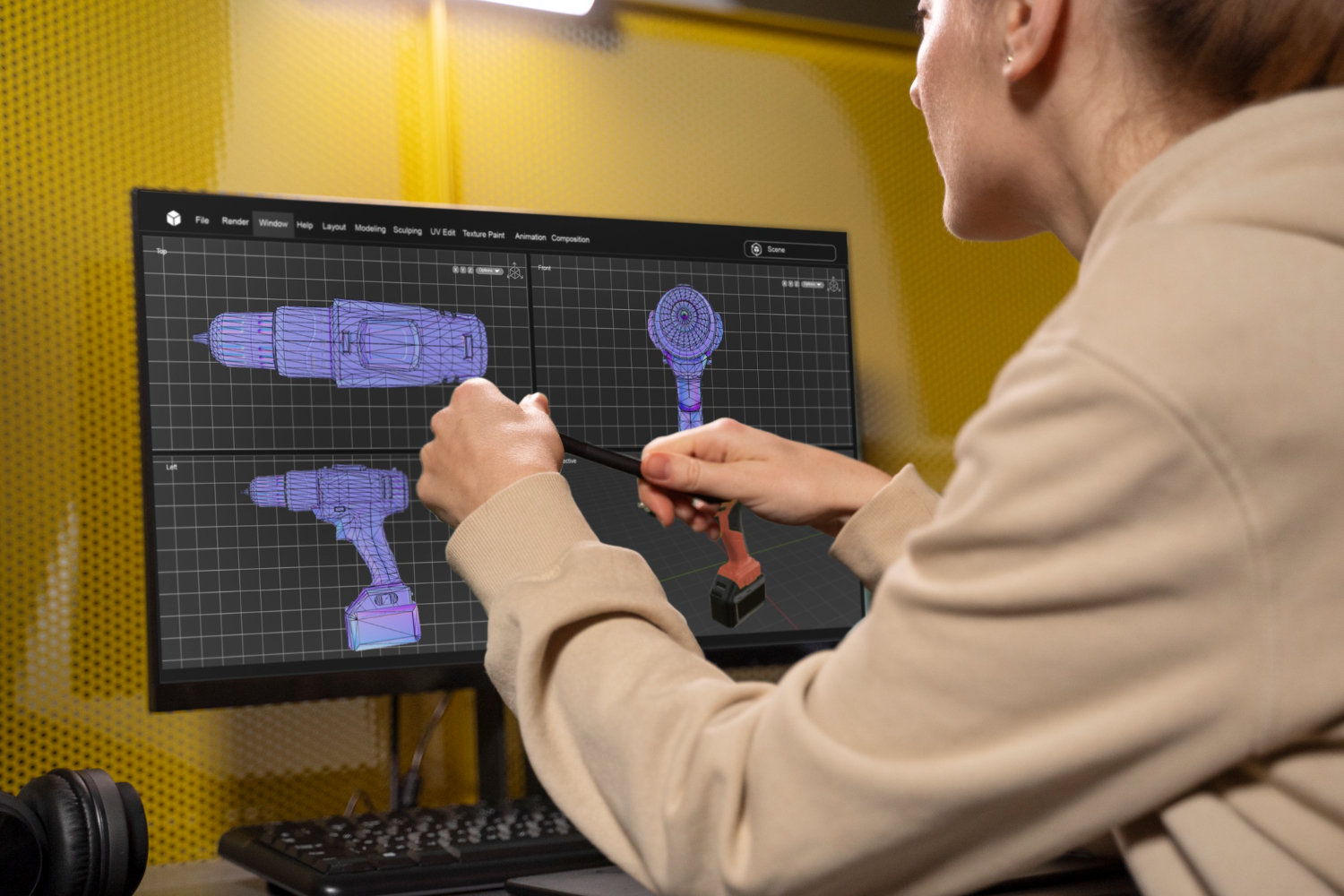
Design during the day, print overnight, test the next morning. A practical workflow for running rapid prototyping iterations at one per day.


Apr 8, 2026
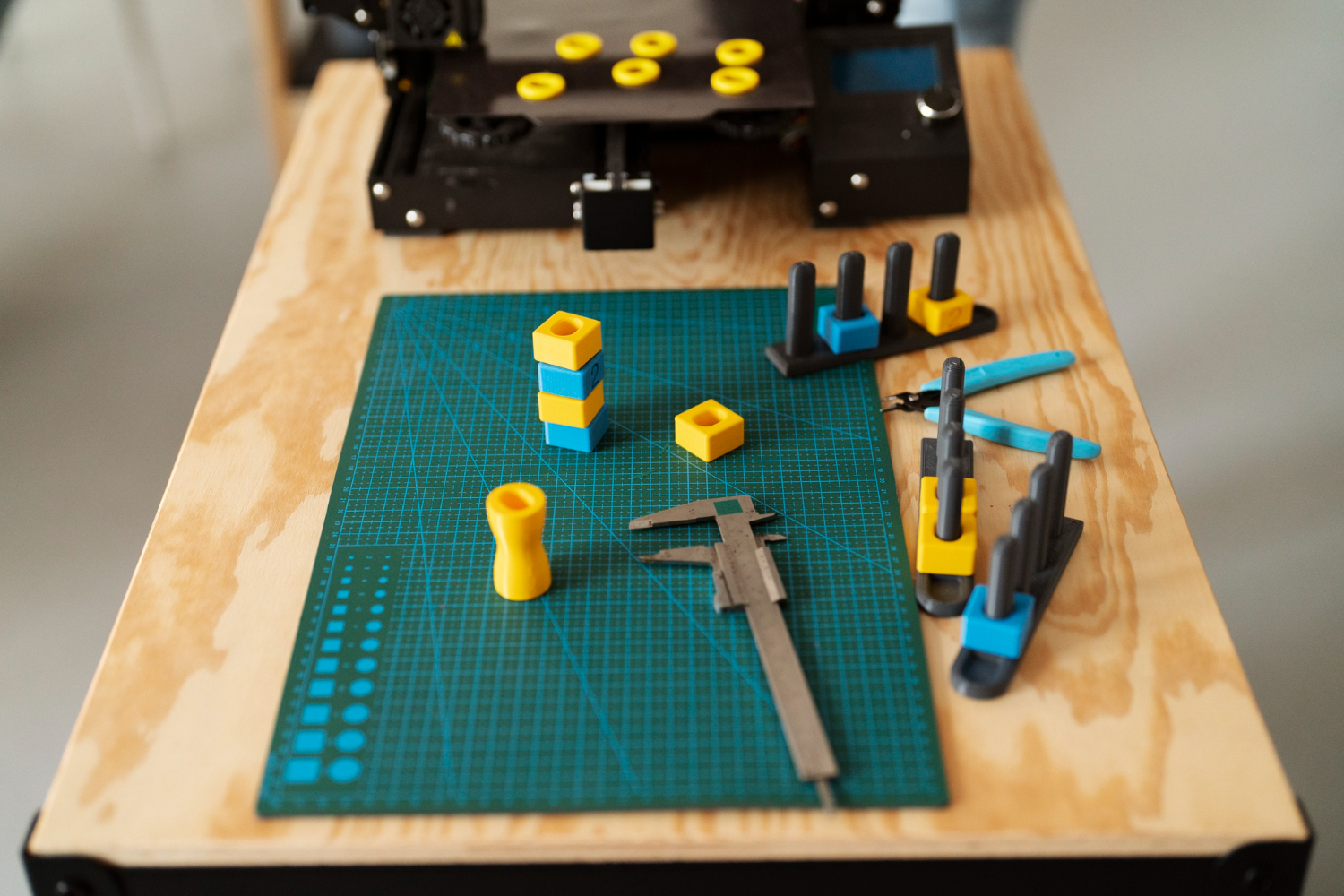
A structured checklist for testing 3D printed prototypes: visual inspection, fit testing, functional validation, and user testing. Get the most out of every iteration.
.webp)





Copyright © 3D On Demand