


Apr 8, 2026
3D Printing for Spare Parts: Reducing Downtime in Industrial Applications
Legacy equipment failures can halt production lines, costing thousands of dollars per hour. Industrial maintenance teams face a critical challenge finding replacement parts for aging machinery when manufacturers no longer produce them. 3D printing technology enables rapid production of functional replacement parts directly from digital designs.
The Challenge of Spare Part Availability
When industrial equipment reaches end-of-life, obtaining replacement parts becomes increasingly difficult and expensive. Lead times stretch to months, during which production lines sit idle. This is common in manufacturing facilities, utilities, and infrastructure industries where equipment operates 20-30 years or longer.
How 3D Printing Transforms Spare Part Strategy
Digital inventory management powered by 3D printing creates a spare parts library stored as CAD files rather than physical inventory. When a part fails, manufacturers quickly produce a replacement using SLS nylon printing or FDM technology. This eliminates expensive warehouse storage, reduces obsolescence risk, and ensures parts are always available.
SLS Nylon for Functional Replacements
For industrial spare parts, nylon PA-12 from SLS printing is particularly valuable. SLS-produced nylon components offer chemical resistance to oils and solvents, mechanical strength for load-bearing applications, dimensional accuracy within 0.3mm, and fatigue resistance for repeated stress cycles. A pump housing, gearbox cover, or valve body can be reproduced to match original performance specifications.
Cost and Lead Time Benefits
Traditional sourcing involves 8-16 week lead times, minimum orders of 100+ units, tooling costs of $5,000-$25,000, and extended inventory costs. 3D printing eliminates these constraints. Single replacement parts can be produced within 5-7 business days with no tooling investment or minimum orders, translating to significant operational savings.
Real-World Applications
Industries leveraging 3D printing include manufacturing (machine tool fixtures), energy and utilities (valve components), aerospace and aviation (engineering-grade parts), and medical equipment sectors. Reverse-engineering and reproducing legacy components is now feasible and cost-effective.
Integration with Maintenance Workflows
Successful programs combine 3D printing with digital asset management through CAD documentation, material selection, quality validation, and inventory management. This transforms reactive equipment failure response into proactive maintenance strategy.
When to Choose 3D Printing
3D printing is optimal when manufacturers have discontinued parts, replacement needs are infrequent (under 50 units annually), lead time is critical, tooling costs exceed total parts value, or parts have moderate complexity. Learn more in our FDM vs SLS vs SLA comparison guide.
Looking Forward
As industrial equipment ages, digital spare part libraries will become standard practice. Organizations investing in 3D printing capabilities today gain competitive advantage through faster response, lower costs, and improved reliability. Contact our team to discuss your industrial spare parts strategy and explore SLS or FDM solutions for reducing downtime and costs.



Apr 8, 2026
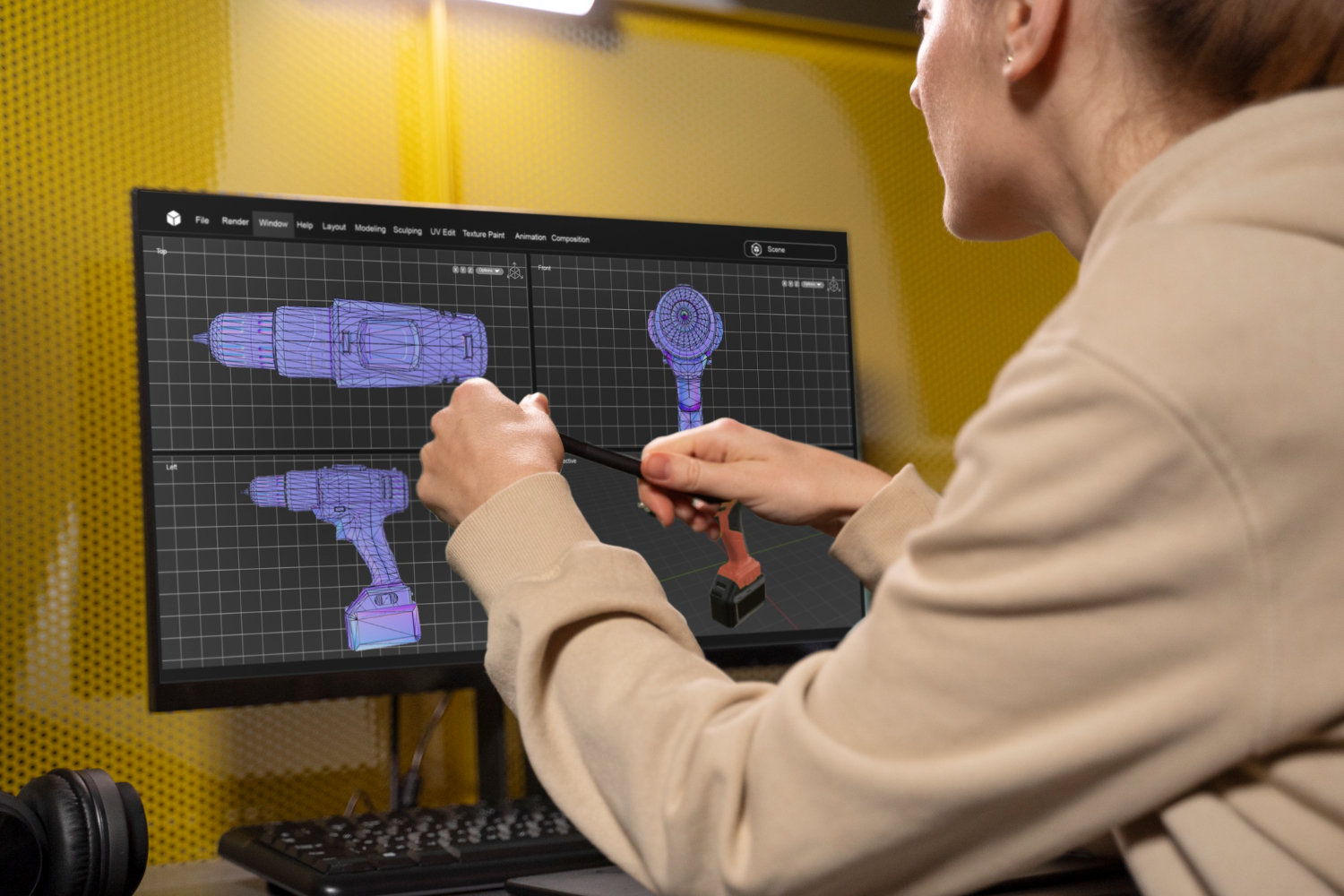
Design during the day, print overnight, test the next morning. A practical workflow for running rapid prototyping iterations at one per day.


Apr 8, 2026
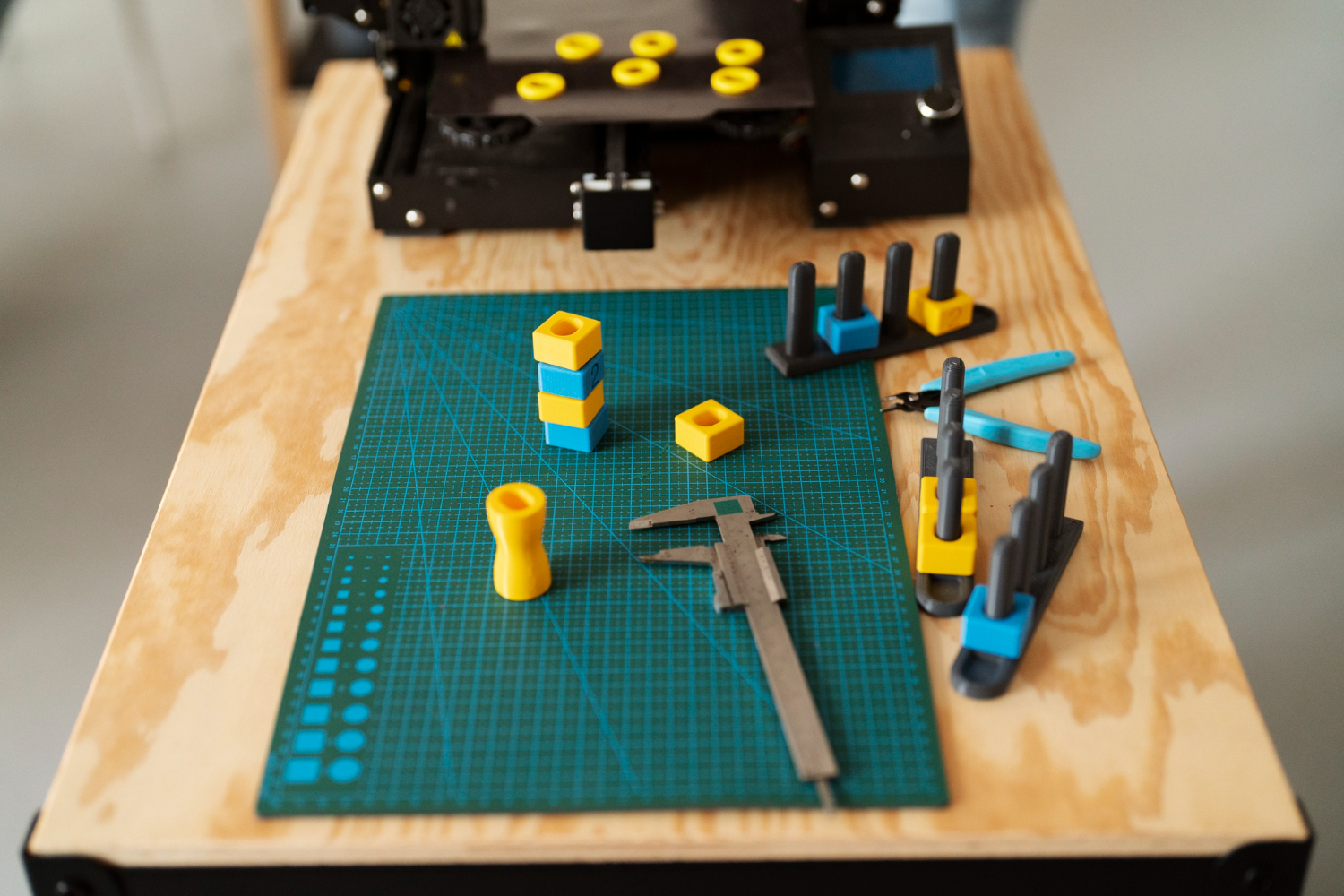
A structured checklist for testing 3D printed prototypes: visual inspection, fit testing, functional validation, and user testing. Get the most out of every iteration.
.webp)





Copyright © 3D On Demand