


Apr 11, 2026
Auswahl des richtigen 3D-Druckmaterials für Industriewerkzeuge
Warum Materialauswahl für Werkzeuge wichtig ist
Eine Produktionsschablone kann 5–10 Jahre in einer Anlage laufen und tausende Zyklen erfahren. Ein Greifer-Polster könnte jährlich 50.000 Zyklen sehen. Ein Präzisions-Maßstab könnte Sub-0,1 mm Genauigkeit über Temperaturwechsel von 10–40°C benötigen. Die falsche Materialwahl kostet Sie: vorzeitiger Verschleiß, unvorhersehbares Maßstab-Driften, Ausfallrisiko unter thermischer Spannung oder mangelnde chemische Beständigkeit bei Exposition gegenüber Kühlfluüssikeiten und Lösungsmitteln.
Die gute Nachricht: moderne 3D-Druckmaterialien sind weit vielfältiger und leistungskläriger als der frühe Ruf von "Kunststoffteilen" suggeriert. Die richtige Auswahl zu treffen bedeutet, dass Ihre 3D-gedruckten Werkzeuge so lange halten wie bearbeitete Metalläquivalente, häufig für einen Bruchteil der Kosten.
Dieser Artikel deckt die primären 3D-Druckmaterialien ab, die für Industriewerkzeuge geeignet sind, ihre mechanischen Eigenschaften, thermischen Grenzen, chemische Beständigkeit und wann man jede verwenden sollte.
Das große Bild: Materialkategorien
Industriewerkzeuge 3D-Druck verwenden vier Hauptmaterial-Familien:
- Pulver-basiert (SLS, SLM, DMLS): Nylon, Aluminium, Titan, Edelstahl. Ausgezeichnete Festigkeit, keine Abstützungsentfernung nötig, beste für komplexe Geometrien.
- Harz-basiert (SLA, DLP, LCD): Starre und flexible Harze. Höchste Details und Präzision, ideal für Maßstäbe und detaillierte Teile. Niedrigere Dauerhaftigkeit als Pulver.
- Filament-basiert (FDM): Thermoplaste (PLA, ABS, PETG, Nylon). Niedrigste Kosten, breiteste Material-Palette, aber niedrigere mechanische Eigenschaften und Präzision.
- Binder Jetting: Sandstein, metallinfiltart. Schnell und günstig für bestimmte Geometrien, aber begrenzte mechanische Eigenschaften.
Für die meisten Produktions-Werkzeuge dominieren pulver-basierte (besonders SLS PA12 Nylon) und High-End FDM, weil sie die beste Balance aus Kosten, Dauerhaftigkeit, Lieferzeit und Präzision bieten.
SLS PA12 Nylon: Das Arbeitstier
Ideal für: Positionierungs-Fixierungen, Spannblöcke, Führungs-Bauteile, Verschleißringe, Schnappungs-Komponenten, komplexe Gehäuse, Ventil-Sitze, Kabelmanagement. Es ist die vielseitigste Wahl für General-Purpose-Werkzeuge.
Eigenschaften
- Zugfestigkeit: 48–56 MPa (respektabel für einen Kunststoff; ausreichend für die meisten Leit- und Spannungsrollen)
- Dehnung: 15–20 % (etwas Flexibilität; verweigert spröde Bruch)
- Modul: 1.600–1.800 MPa (steifer als viele andere Kunststoffe, aber ~200× weicher als Aluminium; Teile können unter schwerer Dauerlast durchhängen)
- Dichte: 1,01 g/cm³ (leicht)
- Wärmeverbiegungstemperatur (HDT): 175°C @ 0,45 MPa (sichere Dauerbenutzung bis ~120–140°C; kurze Exkursionen zu 150–160°C akzeptabel mit Vorsicht)
- Oberflächenfinish: Ra 6–8 µm wie gedruckt; verbessert sich auf Ra 2–4 µm mit Dampf-Polieren oder mechanischem Finish
- Dimensional-Toleranz: ±0,3 mm typisch; ±0,1 mm erreichbar auf kritischen Dimensionen mit Prozess-Kontrollen
Chemische Beständigkeit
PA12 widersetzt sich den meisten Industrie-Kühlfluüssikeiten, Ölen und Lösungsmitteln gut:
- Exzellent: Mineralienöle, Diesel, hydraulische Fluüssikeiten, die meisten Bearbeitungs-Kühlfluüssikeiten
- Gut: Alkohole, Glykole, schwache Säuren
- Schlecht: starke Säuren (Schwerfel-, Salpetersäure), starke Basen, aromatische Lösungsmittel (Toluol, Benzol), Ketone (Azeton)
Überprüfen Sie Ihre spezifische Kühlfluüssigkeit; ein Test-Patch auf einem Prototyp ist klug bei kontinuierlicher Exposition.
Stärken
- Kein Abstützungsmaterial nötig (Pulver fungiert als Abstützung während Druck, wird recycelt)
- Ausgezeichnete Oberflächen-Details und geometrische Freiheit
- Gute Ermüdungs-Widerstandskraft (kann wiederholte Zyklen ohne Verspödung ertragen)
- Annehmbar bepreist (~1,50–3,00 €/cm³ in Volumen)
- Schnelle Bearbeitung (2–5 Tage typisch)
- Material ist recycelbar
Einschränkungen
- Begrenzte Steifigkeit (Durchhängen oder Kriechen unter anhaltender Last oder Wärme)
- Absorbiert Feuchtigkeit; kann über Zeit in feuchten Umgebungen leicht schwellen (0,5–1 % Toleranz-Puffer hinzufügen)
- Nicht geeignet für Temperaturen >150°C kontinuierlich
- Schlechte UV-Beständigkeit draußen (wird vergilben und degradieren, wenn Monate Sonnenlicht ausgesetzt)
Beste Anwendungsfälle
- Schablonen, Fixierungen, Spannblöcke mit mittlerer Last (<5 kg pro Kontaktpunkt)
- Verschleißringe, Greifer-Finger, Dreh-Punkte
- Kabelmanagement, Leitwerkzeuge
- Gehäuse für elektrische oder pneumatische Komponenten
- Prototyp-Validierung für Teile, die Sie für Spritzguss in Betracht ziehen
Kohlefaser-verstärktes Nylon (CF-PA12, CF-PETG): Höhere Steifigkeit
Ideal für: Leichte Struktur-Bauteile, steife Positionierungs-Blöcke, Werkzeug-Griffe, Teile mit Durchhäng-Bedenken, Fixierungen needing sub-mm Steifigkeit.
Eigenschaften
- Zugfestigkeit: 75–100 MPa (50–80 % höher als ungefülltes Nylon)
- Modul: 4.000–7.000 MPa (2–3× steifer als Basis-Nylon)
- Wärmeverbiegungs-Temperatur: Ähnlich wie Basis-Material (~175°C)
- Dichte: 1,15–1,25 g/cm³ (immer noch viel leichter als Metalle)
- Faserinhalt: Typisch 15–20 % Kohlefaser nach Gewicht
- Dimensional-Toleranz: Ähnlich wie Basis-Nylon (±0,3–0,1 mm)
Stärken
- Signifikante Steifigkeits-Verbesserung über Basis-Nylon; reduziert Durchhängen in dünnwandigen Abschnitten
- Ausgezeichnetes Festigkeits-zu-Gewicht-Verhältnis
- Profitiert weiterhin von ausgezeichneter geometrischer Freiheit von 3D-Druck
Einschränkungen
- Leicht höherer Preis (~20–40 % Premie über PA12)
- Kohlefasern können Anisotropie erzeugen (Teile sind leicht steifer in Druckrichtung); Teile-Ausrichtung in Betracht ziehen
- Leicht reduziertes Oberflächen-Finish (sichtbare Faserstruktur)
- Nicht so ermüdungs-widerstandskräftig wie ungefülltes Nylon (Stress-Konzentrationen können problematisch sein)
Beste Anwendungsfälle
- Dünnwandige steife Gehäuse oder Abdeckungen
- Leichte End-of-Arm-Werkzeuge für kollaborative Roboter
- Positionierungs-Blöcke für Hochpräzisions-Montage
- Teile mit Aluminium-Komponenten, wo Gewichtsersparnis wichtig ist
Starre Ingenieur-Harze (SLA): Maximale Präzision
Ideal für: Bestanden/kein-Bestand Maßstäbe, Präzisions-Inspektions-Fixierungen, Teile needing <0,05 mm Toleranzen, Meister für Metrologie, dünne detaillierte interne Merkmale.
Eigenschaften
- Zugfestigkeit: 50–80 MPa (vergleichbar mit Nylon, aber spröder)
- Modul: 2.000–3.500 MPa (steifer als PA12; mehr wie bearbeiteter Thermoplast)
- Dimensional Accuracy: ±0,1 mm typisch für Standard-Harze; ±0,05 mm mit hochpräzisions-Harzen und Post-Curing erreichbar
- Oberflächenfinish: Ra 1–3 µm wie gedruckt (außergeordentlich glatt; erfordert minimales Finish)
- Wärmeverbiegungs-Temperatur: 60–90°C für Standard-Harze; 100–120°C für High-Temp Harze
- Dichte: 1,15–1,35 g/cm³
Chemische Beständigkeit
Hängt von Harz-Typ ab, ist aber generell:
- Gut: Mineralienöle, Wasser, dünne Alkohol-Lösungen
- Schlecht: starke Lösungsmittel (Toluol, Azeton), starke Säuren/Basen (begrenzte Exposition akzeptabel)
- Sehr schlecht: langfristige Exposition gegenüber aromatischen Lösungsmitteln oder starken Oxidationsmitteln
SLA-Harze sind empfindlicher gegenüber chemischem Angriff als Nylon. Vermeiden Sie Verwendung in rauen Kühlfluüssigkeits-Umgebungen oder kontinuierlichem Lösungsmittel-Kontakt.
Stärken
- Außergeordentliche dimensional Präzision und Oberflächen-Finish
- Kein Post-Curing für viele Anwendungen erforderlich (obwohl UV Post-Curing Eigenschaften verbessert)
- Ausgezeichnet für fein-Merkmale, dünne Wände, interne Höhlen
- Ideal für Inspektions-Fixierungen und Maßstäbe hoher Genauigkeit
Einschränkungen
- Spröde; begrenzte Schlag- oder Schockwiderstandskraft. Abstützungsstrukturen müssen sorgfältig entfernt werden
- Niedrigere thermische Stabilität als Nylon; nicht geeignet für heiße Werkzeuge-Rollen
- Niedrigere Ermüdungs-Widerstandskraft; vermeiden Sie zyklische Stress-Anwendungen
- Teurer (~2–5 €/cm³)
- Erfordert Post-Processing (Abstützer-Entfernung, Reinigung, UV-Curing) und Handlings-Vorsicht
- Begrenzte Farboptionen (typisch klar, weiß, grau)
Beste Anwendungsfälle
- Bestand/kein-Bestand Maßstäbe für Qualitäts-Kontrolle
- Inspektions-Fixierungen für Hochtoleranz-Montage
- Meister für dimensional Validierung
- Fein-markierte Gehäuse mit engen internen Toleranzen (z.B. mikrofluüdische Verteiler, komplizierte Ventil-Körper)
- Prototyp-Maßstäbe vor Beauftragung von Präzisions-CNC Versionen
Flexibles TPU (Thermoplast-Polyurethan): Widerstandskraft und Griff
Ideal für: Greifer-Polster, Polster-Elemente, Vibrations-Dämper, Dichtungen, Schockabsorber-Füße, flexible Scharniere für entsprechende Mechanismen.
Eigenschaften
- Zugfestigkeit: 20–50 MPa (niedriger als steife Kunststoffe, aber ausgezeichnete Dehnung)
- Dehnung beim Bruch: 300–600 % (hochgradig elastisch; verformt und kehrt zurück)
- Shore Härte: 60–95 A (weich bis mittels; abhängig von Formulierung)
- Wärmeverbiegungs-Temperatur: 60–80°C (nicht für heiße Umgebungen)
- Dichte: 1,15–1,25 g/cm³
- Dimensional-Toleranz: ±0,5–0,3 mm (weniger präzise als steife Materialien, aber angemessen für flexible Komponenten)
Chemische Beständigkeit
- Gut: Mineralienöle, Wasser, dünne Säuren/Basen
- Schlecht: starke Lösungsmittel, starke Säuren/Basen
Stärken
- Außergeordentlicher Griff und Dämpfung; verweigert Rutschen und reduziert Vibration
- Absorbiert Schock ohne spröden Bruch
- Entsprechbar an unregelmäßige Oberflächen (z.B. Greifer-Polster, die sich um Teile wickeln)
- Verfügbar als Dual-Material Druck (steifer Außen + flexibler Kern) auf erweiterten Druckern
Einschränkungen
- Niedrigere dimensional Präzision (Kriechen über Zeit unter anhaltender Last)
- Begrenzte thermische Stabilität
- Kann in hoher Feuchtigkeit oder Temperatur klebrig werden
- Oberflächen-Finish variiert; kann klebrig oder glänzend sein
Beste Anwendungsfälle
- Greifer-Polster für kollaborative Roboter oder automatisierte Montage
- Vibrations-Isolatoren für Maschinen-Grundlagen
- Stopper und Schutz-Polster
- Flexible Scharniere oder lebende Gelenke für Schablonen
- Kabel- oder Rohr-Greif-Elemente
Metall-Druck (SLM, DMLS): Wenn Sie Metall-Stärke benötigen
Ideal für: Hochtemperatur-Werkzeuge (>150°C), Teile mit extremer Steifigkeit, Verschleiß-widerstandskräftige Formen, lasttragende Halterungen, thermische Leitfähigkeit nötig.
Materialien: Aluminium-Legierungen (Al12Si, TiAl6V4), Titan, Edelstahl, Kobalt-Chrom.
Schlüssel-Eigenschaften (Aluminium-Beispiel: Al12Si)
- Zugfestigkeit: 250–350 MPa (~4× Nylon)
- Modul: 60.000–70.000 MPa (~30× Nylon; fast so steif wie gezogenes Aluminium)
- Wärmeverbiegung: Stabil zu 300–400°C (kontinuierlich)
- Dichte: 2,7 g/cm³ (schwerer als Nylon, aber leichter als Stahl)
- Kosten: 5–5 €/cm³ (3–5× teurer als SLS PA12)
- Lieferzeit: 2–3 Wochen (mehr Prozess-Schritte; Post-Bearbeitung oft nötig)
Stärken
- Extreme Steifigkeit; keine Durchhängs-Bedenken
- Hochtemperatur-Kapabilität; keine thermische Kriechen
- Ausgezeichnete Verschleiß-Widerstandskraft; ideal für wiederholten Kontakt (z.B. Indizierungs-Stifte)
- Gute wärmische Leitfähigkeit (gibt Wärme ab in kühlung-kritischen Anwendungen)
Einschränkungen
- Hohe Kosten; nur für kritische, hochwertige Werkzeuge gerechtfertigt
- Längere Lieferzeit als Kunststoff-Druck
- Interne Porenraum; muss Röntgen-geprüft zur Qualitäts-Validierung (fügt Kosten hinzu)
- Erfordert Post-Bearbeitung für enge Toleranzen (weitere Kosten)
- Nicht geeignet für Anwendungen, wo niedriges Gewicht kritisch ist
Beste Anwendungsfälle
- Hochtemperatur-Formen für geheizte Kompressionsprägung
- Verschleiß-Stifte und Indizierungs-Elemente (wiederholter Kontakt-Last)
- Spezial-Fixierungen für Luftfahrt oder Automobilindustrie (wo Präzision und Zuverlässigkeit Metall erfordern)
- Wärme-Senken oder wärmisch-leitende Fixierungen
Entscheidungs-Matrix: Ihr Material wählen
| Anwendungs-Bedarf | Bestes Material | Warum |
|---|---|---|
| General-Purpose Fixierungen, Schablonen, Spannblöcke | SLS PA12 | Beste Balance von Kosten, Dauerhaftigkeit, Präzision, Lieferzeit |
| Steife Positionierungs-Blöcke, dünnwandige Gehäuse | CF-PA12 oder CF-PETG | Kohlefaser fügt Steifigkeit ohne Gewicht hinzu; widersetzt sich Durchhängen |
| Hochpräzisions-Maßstäbe, <0,05 mm Toleranz | SLA steifes Harz | Superiore Genauigkeit und Oberflächen-Finish; ideal für Metrologie |
| Greifer-Polster, Vibrations-Dämfer, Dichtungen | TPU (flexibles Polyurethan) | Elastische Entsprechung; passt an und greift; absorbiert Schocks |
| Hochtemperatur-Werkzeuge (>150°C) | Metal (SLM Al, Titan) | Nur Kunststoffe stabil bei hoher Temp; Kosten gerechtfertigt für kritische Rollen |
| Verschleiß-widerstandskräftige Formen, Indizierungs-Stifte | Metal (SLM); PA12 wenn Budget-begrenzt | Metal überlebt Kunststoff um 10–100×; PA12 akzeptabel für niedrig-Kontakt-Stress |
| Prototyp-Validierung vor Spritzguß-Investition | SLS PA12 (gleiches Material wie finale Form) | Validiert Material-Wahl, Geometrie, Ergonomie; schnell, billig Iteration |
Post-Processing Einfluss auf Material-Leistung
Roh 3D-Drucke sind nicht finale Produkte. Post-Processing kann Leistung dramatisch verbessern:
SLS PA12
- Dampf-Polieren: Glättet Oberfläche (Ra 6 µm → Ra 2 µm); verbessert Ästhetik und reduziert Widerstand
- Nylon-Beschichtung oder Farbe: Fügt UV-Schutz hinzu, verbessert Verschleiß-Widerstandskraft, ermöglicht Farbkodierung
- Stress-Relief Zyklus: Wärme-Behandlung bei 60–80°C für 2–4 Stunden zum Entlasten restlicher Spannung und verbessern dimensional Stabilität
SLA Harz
- UV Post-Curing: Essentiell für die meisten Harze; verbessert mechanische Eigenschaften und thermische Stabilität dramatisch (30–50 % Stärke-Gewinn typisch)
- Wärme Post-Curing: Weitere Verbesserung von Eigenschaften (erfordert spezialisierte Öfen; wird für kritische Teile verwendet)
- Sorgfältige Abstützer-Entfernung: Verweigert Stress-Konzentrationen und Oberflächen-Schaden
Material-Kosten-Vergleich (für einen 100 cm³ Teil)
| Material | Kosten/cm³ | 100 cm³ Teil-Kosten | Notizen |
|---|---|---|---|
| SLS PA12 | 1,50–3,00 € | 150–300 € | Basislinie; ausgezeichneter Wert |
| CF-PA12 | 2,00–3,50 € | 200–350 € | 20–30 % Premie; Wert für Steifigkeits-kritische Teile |
| SLA Steifes Harz | 2,00–5,00 € | 200–500 € | Höhere Kosten für Präzision; Post-Processing erforderlich |
| TPU Flexibel | 1,50–3,00 € | 150–300 € | |
| SLM Aluminium | 7,00–12,00 € | 700–1.200 € | 3–4× teurer; nur für extreme-Pflicht Rollen |
Praxiserfahrung und Validierung vor der Vollfertigung
Immer drucken Sie ein Muster vor dem Commit zu Produktions-Werkzeugen:
- Funktionale Validierung: Passt es und funktioniert es in Ihrer Ausrüstung? Unerwarteter Durchhäng, Binde, oder Verschleiß?
- Wärme-Praxiserfahrung (wenn relevant): Führen Sie es in Ihrer heißen Umgebung aus (wenn anwendbar). Dimensional-Änderung oder Erweicherung?
- Chemische Verträglichkeit: Durchtränken Sie ein Muster in Ihrer Kühlfluüssigkeit für 48 Stunden. Quellung, Verfärbung oder Eigenschaften-Verlust?
- Zyklus-Praxiserfahrung: Betreiben Sie das Werkzeug für 1.000–10.000 Zyklen (abhängig von erwarteter Leben). Verschleiß-Muster, Risse oder Kriechen?
- Dimensional-Stabilität: Maße vor und nach Praxiserfahrung. Irgendwelche Drift?
Kosten: 300–1.000 € für gründliche Validierung. Auszahlung: Vermeiden Sie eine 10.000 € Werkzeug-Ausfallrisiko oder Rückruf.
Material-Auswahl-Workflow
Schritt 1: Definieren Sie das operative Umfeld (Temperatur, Kontakt-Stress, chemische Exposition, Präzisions-Anforderung, Zyklen-Leben).
Schritt 2: Schänken Sie zu 2–3 Kandidat-Materialien mit der Entscheidungs-Matrix oben ein.
Schritt 3: Drucken Sie einen Prototyp in Ihrer Top-Wahl. Validieren Sie ihn in Ihrer Ausrüstung unter echten Bedingungen.
Schritt 4: Falls Validierung besteht, skalieren Sie zu Produktion. Falls nicht, versuchen Sie die zweite Wahl.
Schritt 5: Dokumentieren Sie die Material-Wahl und Leistung. Das baut institutionales Wissen für zukünftige Werkzeug-Entscheidungen.
Fehler zu vermeiden
- Das falsche Material zur Design-Zeit spezifizieren: Sprechen Sie mit Ihrem 3D-Druck-Partner vor Abschluß der Zeichnungen. Sie wissen, was in Produktion funktioniert.
- Annehmen alle "Nylon" ist das selbe: PA12 (SLS), PA6 (FDM), PA11 (Spezialität) haben unterschiedliche Eigenschaften. Spezifizieren Sie das genaue Material.
- Thermische Effekte vernachlässigen: Viele Werkzeug-Ausfallrisiken sind thermisch. Wissen Sie Ihre Betriebstemperatur und prüfen Sie die HDT für Ihr Material.
- Validierung überspringen: Drucken Sie einen 300 € Prototyp, der einen 50.000 € Design-Fehler erfasst, ist die beste Investition, die Sie machen werden.
- Chemische Exposition unterbewerten: "Es ist nur Kühlfluüssigkeit" ist ein häufiger Untergang. Einige Kühlfluüssikeiten sind verhältnismäßig härtnesse auf Kunststoffe.
- Dimensional-Drift ignorieren: Nylon absorbiert Feuchtigkeit und kriecht unter Wärme. Wenn Ihr Werkzeug dimension-kritisch ist, Post-Process und stabilisieren Sie es.
Unsere Material-Fachkompetenz
Bei 3D-Demand helfen wir Herstellern, das richtige Material für ihre Werkzeuge zu wählen, bevor Design gesperrt wird. Wir haben zehntausende Werkzeuge über alle hier aufgelisteten Materialien gedruckt. Unser Ingenieur-Service umfasst Material-Beratung, Prototyp-Validierung und Produktions-Läufe.
Unsicher, welches Material man spezifizieren sollte? Kontaktieren Sie uns mit Details Ihrer Anwendung – Temperatur, Last, Umgebung, Präzisions-Anforderung, erwartete Zyklus-Leben. Wir empfehlen das beste Material und können mit einem Test-Druck validieren, bevor Sie zu einem vollen Produktions-Lauf committen.


Apr 8, 2026
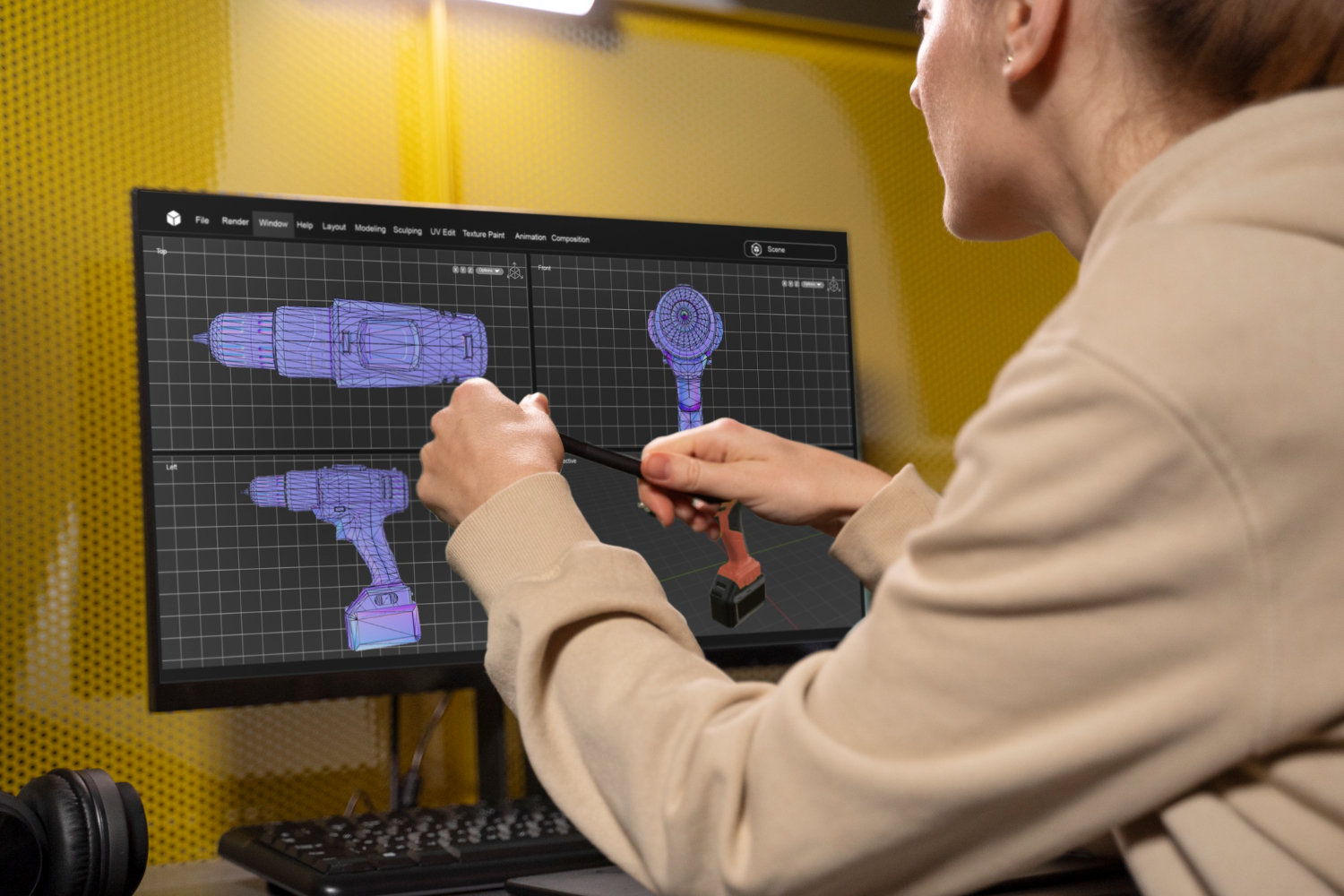
Design during the day, print overnight, test the next morning. A practical workflow for running rapid prototyping iterations at one per day.


Apr 8, 2026
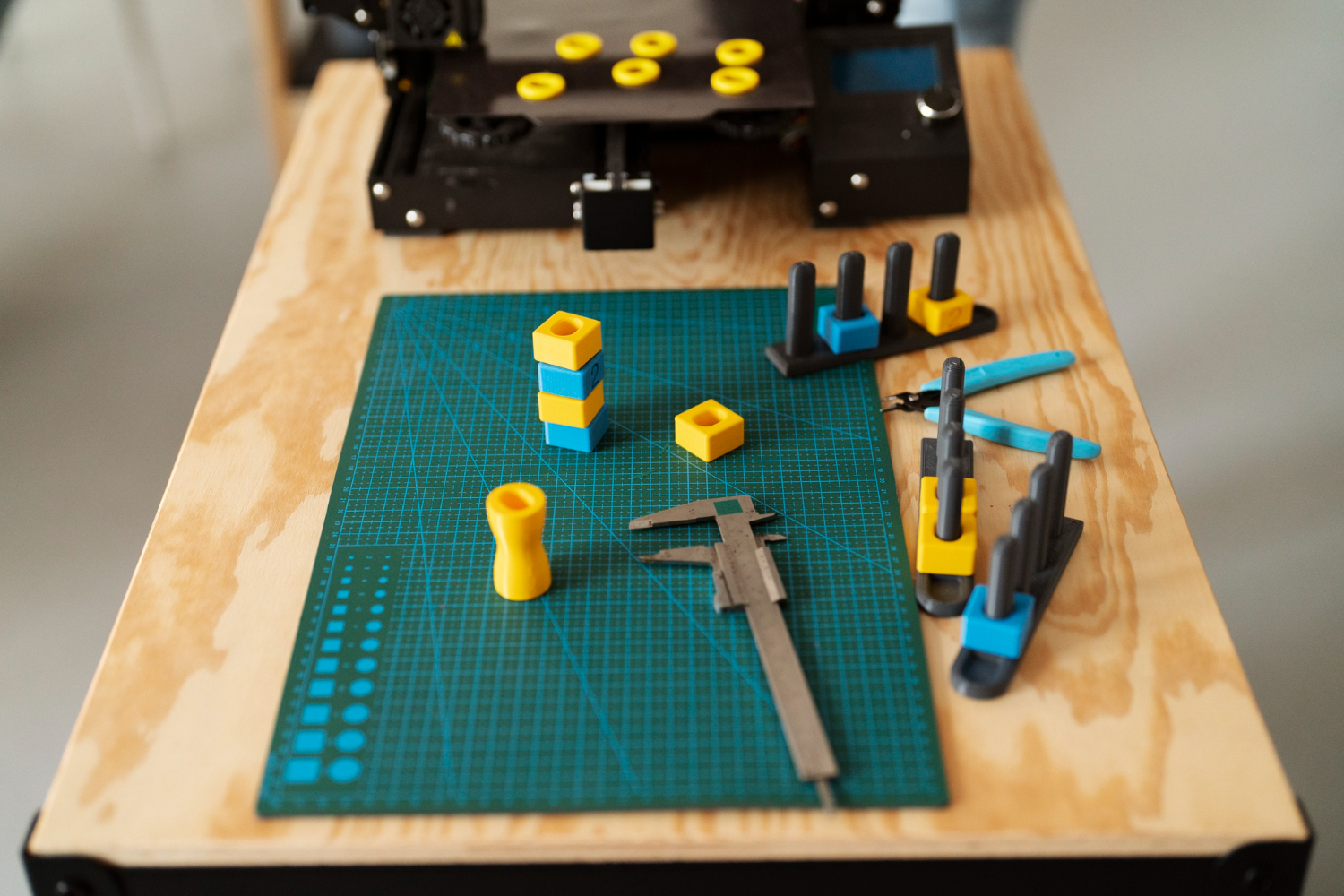
A structured checklist for testing 3D printed prototypes: visual inspection, fit testing, functional validation, and user testing. Get the most out of every iteration.
.webp)




Copyright © 3D On Demand