


Apr 11, 2026
3D-Druck für Fabrikautomatisierung: Von Vorrichtungen bis zu Robotergreifern
Europäische Fabriken stehen unter Druck. Die Arbeitskosten in Deutschland, Frankreich und den Benelux-Ländern steigen weiterhin. Automatisierung ist die Antwort – aber Automatisierung erfordert Werkzeuge. Vorrichtungen, Spannvorrichtungen, Greifer-Einsätze, Förderrinnenleitbleche, Sensorbefestigungen, Kabelmanagement-Clips. Der traditionelle Weg – von einem Werkzeughersteller bestellen, 6–10 Wochen warten, an der Linie testen, iterieren – ist zu langsam. Hier kommt 3D-Druck ins Spiel als Wettbewerbsvorteil.
Bei Vorrichtungen und Automatisierungswerkzeugen verkürzt 3D-Druck die Iterationszeit von Wochen auf Tage und die Gesamtbereitstellungszeit von Monaten auf Wochen. Wir zeigen Sie, wo es passt, welche Materialien funktionieren und wie Sie den Design-Test-Optimierungs-Zyklus strukturieren, um Ihre Produktionslinie in Echtzeit zu optimieren.
Wo 3D-Druck in der automatisierten Fertigung passt
Die moderne Fabrik ist eine komplexe Choreografie: Roboter, Förderer, Sensoren, Greifersysteme und Bildverarbeitungssysteme koordinieren sich alle. An jeder Schnittstelle zwischen Maschine und Teil oder Maschine und Vorrichtung ist fast immer spezielle Werkzeugausrüstung notwendig. Standard-Lösungen passen selten perfekt. Hier glänzt 3D-Druck:
Greifer-Einsätze und EOAT (End-of-Arm-Werkzeuge): Roboter müssen Teile sicher greifen, ohne sie zu beschädigen. Standard-Greiferfinger sind generisch. Spezielle Einsätze, Druckpolster oder Vakuumnapfen, die auf Ihre exakte Teilgeometrie abgestimmt sind, sind die Norm. 3D-Druck erzeugt diese in Tagen. (Siehe unser EOAT-Designleitfaden für Details.)
Vorrichtungen und Spannvorrichtungen: Montagefixierungen, Bohrschablonen, Ausrichtungsplatten, Spannblöcke. Diese sind produktspezifisch. Mit 3D-Druck entwerfen Sie diese, um Ihre Teilgeometrie perfekt zu match, drucken in robustem SLS-Nylon und stellen bereit innerhalb einer Woche. Traditionelle Bearbeitung dauert 4–6 Wochen. (Detaillierte Anleitung in unserem Vorrichtungs- und Spannvorrichtungs-Leitfaden.)
Förderrinnenführungen und Rollen: Fördersysteme benötigen Führungen, Abstandshalter und Anschläge, die auf Ihre Teilform und -größe abgestimmt sind. Fehlausgerichtete Führungen verursachen Staus und Teilschäden. 3D-Druck ermöglicht es Ihnen, die Geometrie zu iterieren, bis sie perfekt ist, und sie dann in wenigen Tagen über mehrere Förder-Stationen zu duplizieren.
Sensorbefestigungen: Bildverarbeitungssysteme, Näherungssensoren und Drucktransducer benötigen alle spezielle Halterungen, um sie in der richtigen Winkel- und Höhe zu positionieren. 3D-Druck ermöglicht es Ihnen, die Halterung zu prototypisieren, die Montage zu testen, Kabelwege anzupassen und abzuschließen – alles bevor Ihre traditionellen Maschinisten ein Angebot schreiben könnten.
Kabelmanagement: Spezielle Clips, Kabelwellen-Organizer und Leitwerkzeuge, die spezifisch für Ihr Maschinen-Layout sind, sind mühsam zu bearbeiten und unmöglich, beim ersten Versuch richtig zu bekommen. Drucken Sie sie, testen Sie die Passung, iterieren Sie, stellen Sie bereit.
Schutzvorrichtungen und Verkleidungen: Schutzabdeckungen, Verschüttungswannen und Staubverkleidungen um Produktionsgeräte sind nicht kritisch, aber wichtig für Sicherheit und Sauberkeit. 3D-Druck macht es wirtschaftlich, diese pro Arbeitsstation anzupassen, ohne die Lieferzeit, die traditionelle Fertigung unpraktisch macht.
Materialien für Automatisierungswerkzeuge: Stärke trifft Herstellungserleichterung
Das richtige Material hängt von der Anwendung ab. Hier ist die Aufschlüsselung für Fabrikautomatisierung:
Nylon PA-12 (SLS / MJF): Das Arbeitstier für Automatisierungswerkzeuge. Zugfestigkeit ~55 MPa, ausgezeichnete Schlagfestigkeit und sehr gute Verschleißeigenschaften. Wird für Greifer-Einsätze, Vorrichtungen, Spannblöcke, Führungsplatten verwendet. Verträgt wiederholte Belastung und Vibration gut. Kosten: 20–35 € pro Teil, abhängig von Größe und Komplexität. Dies ist unser Go-to für 90% der Automatisierungsanwendungen. Erfahren Sie mehr über Nylon PA-12.
Aluminium-gefülltes Nylon (SLS): Höhere Steifigkeit und bessere Maßstabilität als reines PA-12. Verwenden Sie dies, wenn Sie Teile benötigen, die unter anhaltender Last nicht durchhängen oder verformen. Greifer-Finger-Einsätze für schwere Teile, starre Fixierungsplatten. Kosten: 30–50 € pro Teil. Iterationen sind etwas langsamer, weil Material höhere thermische Spannung hat, aber für anspruchsvolle Anwendungen wert.
TPU (Flexibles Thermoplast-Polyurethan): Für Greifer-Polster, Saugnapf-Einsätze, Schutzpuffer. Gibt den Teilen den richtigen "Grip", ohne empfindliche Oberflächen zu beschädigen. Kosten: 35–60 € pro Teil. Verwendet, wenn Sie Elastizität und Grip benötigen, nicht starre Struktur.
PLA oder ABS (FDM): Geeignet für nicht lasttragende Vorrichtungen, Schablonen und Führungen in langsameren Betrieben. Billiger als SLS (5–15 € pro Teil), aber schwächer. Gut für schnelles Prototyping; weniger geeignet für Produktions-Werkzeuge, die täglich 8+ Stunden unter mechanischer Spannung laufen.
Vermeiden Sie in großem Maßstab: Mit Harz gedruckte Teile (SLA) sind spröde und teuer für Werkzeuge. Sie funktionieren für Prototypen und ästhetische Teile, nicht für funktionale Automatisierungsausrüstung.
Fallstudie 1: Changeover von Automontage-Vorrichtungen in der Automobilindustrie
Ein Tier-1-Automobilzulieferer in Deutschland stellt Innenausstattungskomponenten her. Jeder Modellwechsel (4–5 mal pro Jahr) erfordert neue Montagefixierungen: Bohrschablonen, Ausrichtungsplatten und Test-Vorrichtungs-Einsätze. Lieferzeit für traditionelle Fertigung: 8–10 Wochen. Kosten pro Vorrichtungssatz: 12.000–15.000 € in Bearbeitung, Montage und Validierungsarbeit.
Das Werk implementierte 3D-Druck für diese Vorrichtungen. Neuer Prozess:
Kosten pro Vorrichtungssatz mit 3D-Druck: 3.500–5.000 € in Teilen + minimale Montagearbeit. Sie verwenden etwa 15–20 Teile pro Vorrichtungssatz zu 200–300 € pro Stück.
Ergebnis: Lieferzeit um 75% gekürzt. Iterationskosten um 70% gesunken. Das Werk überdenkt jetzt proaktiv Vorrichtungen für neue Modellvarianten, statt mit letztem Jahrs Geometrie zu laufen. Die Qualität verbesserte sich, weil Werkzeuge pro Teil optimiert sind, nicht generalisiert über Varianten.
Fallstudie 2: Neugestaltung des Greifers für Lebensmittel-Verpackungslinie
Ein niederländisches Verpackungsunternehmen betreibt Hochgeschwindigkeitslinen, die Lebensmittablagen aufgreifen und platzieren. Die bestehenden Greifer-Finger-Einsätze (weiches Gummi) wurden generisch entworfen und verursachten Quetschungen auf empfindlichen Waren. Jede Produktionslinie hatte unterschiedliche Teilgeometrien, aber alle verwendeten denselben Greifer.
Lösung: 3D-gedruckte TPU-Greifer-Polster, die nach Größe und Form auf jede Teilgeometrie abgestimmt sind. Der Ingenieur entwarf 6 Varianten, druckte 3 Proben jeder (18 Teile insgesamt) und testete sie auf der Linie innerhalb von 2 Wochen. Quetschungen um 80% reduziert. Changeover-Zeit zwischen Produkten sank (benutzerdefinierte Greifer passen besser, schnelleres Setup).
Kosten: 18 Teile × 40 € = 720 €. Einsparungen: 8.000 € pro Jahr in Produktverlust, plus 0,5 Stunden gespart pro Wechsel × 30 Wechsel/Jahr = 15 Stunden Arbeit. ROI in 3 Wochen erreicht. Die Greifer werden jetzt alle 6 Monate als Verbrauchsmaterial neu gedruckt.
Der Design-Print-Test-Zyklus: Geschwindigkeit als Wettbewerbsvorteil
Die wahre Kraft von 3D-Druck für Automatisierung liegt nicht in den Kosten pro Teil – sie liegt in der Geschwindigkeit der Iteration. Hier ist, wie Sie den Zyklus strukturieren:
Ein Produktions- oder Fertigungsingenieur identifiziert die Vorrichtungsnotwendigkeit. Das CAD-Design wird erstellt (oft ein einfaches Teil – eine Spannplatte, ein Greifer-Einsatz, eine Sensorbefestigung). Das Teil wird Montag zu 3D-Demand eingereicht. Es versandt Freitag. Kosten: 1 Tag Ingenieurszeit, ~200–300 € für Druck + Nachbearbeitung.
Die Vorrichtung wird auf der Produktionslinie installiert. Funktioniert die Geometrie? Gibt es Freiraum-Probleme? Funktioniert das Material? Linienoperatoren und Fertigungsingenieure testen, dokumentieren Probleme. "Der Spannblock ist 2 mm zu breit," "Das Greifer-Polster benötigt mehr Struktur," "Dieses Teil bricht nach 3 Tagen."
Basierend auf Rückmeldungen überarbeitet der Ingenieur das CAD. Änderungen werden zum Drucken eingereicht. Neue Version kommt innerhalb von 5–7 Tagen an. Hier ist der Vorteil klar: traditionelle Bearbeitung würde jetzt sagen "8 Wochen für neues Werkzeug." 3D-Druck sagt "nächste Woche."
Nach 2–3 Iterationen (3–4 Wochen insgesamt) ist die Vorrichtung festgelegt. An diesem Punkt haben Sie 1–2 Wochen Ingenieurszeit und 700–1.500 € in Drucken investiert. Der traditionelle Weg: 10.000 € in Werkzeuge, 8–10 Wochen und höhere Chance, dass die erste Version nicht perfekt funktioniert.
Der kumulative Vorteil: weil Iteration billig und schnell ist, optimieren Ingenieure Vorrichtungen aggressiv. Designs, die mit traditionellem Werkzeug "gut genug" wären, werden wirklich exzellent. Die Spannkraft wird für jede Teilgeometrie angepasst. Führungs-Oberflächen werden auf exakte Produktabmessungen abgestimmt. Diese Aufmerksamkeit zum Detail verbessert den Durchsatz der Linie und reduziert Abfall.
Kompetenz intern aufbauen vs. Service Bureau verwenden
In-House 3D-Druck: Einige größere Hersteller investieren in SLS- oder MJF-Drucker (150.000–300.000 € anfängliche Investition, plus Verbrauchsmaterial und Wartung). Vorteil: sofortige Bearbeitung, keine externen Abhängigkeiten. Nachteil: Kapitalkosten sind hoch, Maschine sitzt zwischen Projekten untätig, und Training/Fachkompetenz ist notwendig. macht Sinn, wenn Sie >500 Teile pro Monat drucken.
Service Bureau (empfohlen für die meisten): Arbeiten Sie mit einem lokalen Anbieter wie 3D-Demand zusammen. Sie entwerfen, wir drucken, Teile kommen in 5–7 Tagen an. Die Kosten sind pay-per-part, nicht Kapitalkosten. Keine Fachkompetenz erforderlich jenseits von CAD. Sie behalten Designkontrolle und geistiges Eigentum. Die Lieferzeit ist immer noch dramatisch schneller als traditionelle Bearbeitung. Dies funktioniert, es sei denn, Sie benötigen 24-Stunden-Bearbeitung für wahre Notsituationen. Wir bieten Ingenieursberatung zum Vorrichtungsdesign, wenn Ihr Team Unterstützung benötigt.
Überwinden häufiger Bedenken
Ja. SLS-Nylon ist in vielen Aspekten zäher als Aluminium – es absorbiert Vibration besser und ermüdet nicht auf dieselbe Weise. Es ist nicht geeignet für ultra-hohe Belastungsanwendungen (Lagerflächen unter 100+ MPa), aber für Vorrichtungen, Spannvorrichtungen und Greifer-Einsätze im 5–50 MPa Belastungsbereich ist es hervorragend. Tausende von Anlagen verwenden SLS-Werkzeuge täglich.
SLS hält ±0,3–0,5 mm als Standard. Für Greifer-Finger-Einsätze, Schablonen und Fixierungsplatten ist dies normalerweise ausreichend. Wenn Sie wirklich engere Toleranzen benötigen, können einige Merkmale post-print bearbeitet werden (einen Boss einsetzen, ein Loch bohren zu enger Spezifikation). Dieser Hybrid-Ansatz ist üblich und immer noch schneller als vollständige traditionelle Bearbeitung.
Genau. Dies ist der Vorteil. Wenn ein Greifer-Einsatz nach einer Woche Gebrauch reißt, drucken Sie eine verstärkte Version (dickere Wand, unterschiedliche Geometrie) in 5 Tagen. Mit traditionellem Werkzeug sind Sie für Wochen untätig. Der schnelle Iterations-Zyklus ist Ihr Sicherheitsnetz.
Starten Sie Ihre Automatisierungs-Werkzeug-Reise
Wenn Sie eine Fabrik betreiben und 3D-Druck für Vorrichtungen und Werkzeuge nicht erforscht haben, fangen Sie klein an:
Die meisten Anlagen, die mit einem Vorrichtungsprojekt anfangen, verwenden 3D-Druck innerhalb von 12 Monaten für 20–30% ihrer Werkzeuganforderungen. Der Geschwindigkeitsvorteil potenziert sich, wenn Sie mehrere Projekte haben und einen stetigen Druckstrom ausführen können.
Bereit, Ihre Automatisierung zu beschleunigen? Kontaktieren Sie uns, um Vorrichtungsdesign- und Druck-Strategie zu besprechen. Wir arbeiten mit Fertigungsingenieuren zusammen und können Materialauswahl, Geometrie-Optimierung und Planungsturnaround beraten. Oder erkunden Sie unsere Leitfäden zu Vorrichtungen und Spannvorrichtungen und EOAT-Design, um mehr zu erfahren.


Apr 8, 2026
Design during the day, print overnight, test the next morning. A practical workflow for running rapid prototyping iterations at one per day.


Apr 8, 2026
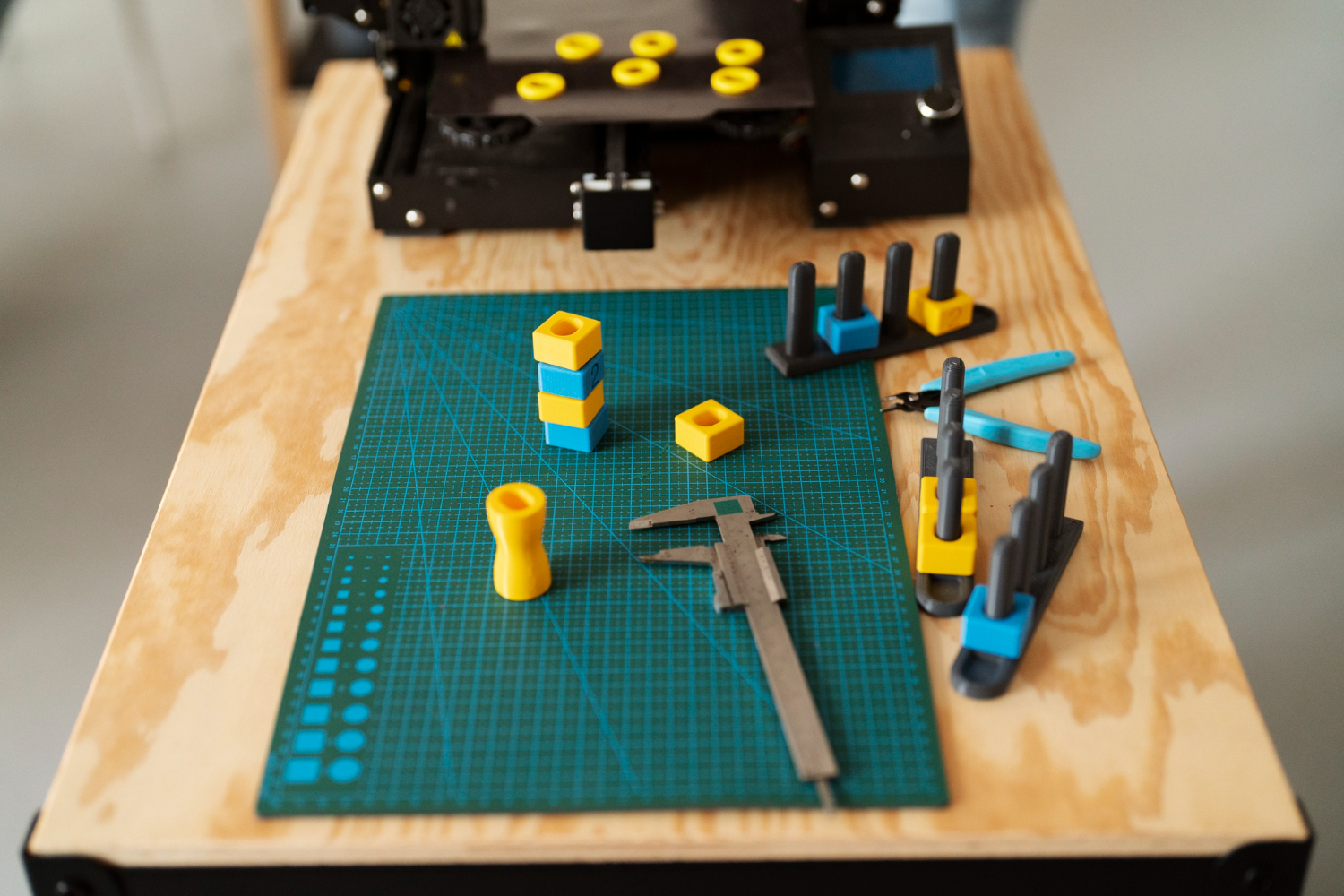
A structured checklist for testing 3D printed prototypes: visual inspection, fit testing, functional validation, and user testing. Get the most out of every iteration.
.webp)




Copyright © 3D On Demand