



Apr 8, 2026
7 Types of Jigs and Fixtures You Can 3D Print Today
The Difference Between Jigs and Fixtures
Before diving into specific types, let’s clarify terminology. A jig is a guide tool that directs the motion or position of a cutting tool or workpiece. A fixture holds and positions a workpiece during manufacturing without guiding the tool itself. In practice, they work together: the jig guides your action, the fixture holds everything in place. Both are ideal candidates for 3D printing because they’re typically low-volume, high-customization parts where traditional machining wastes time and material.
The economics are compelling. A machined aluminum fixture or jig typically costs €200–€800 and takes 3–4 weeks to deliver. A 3D printed equivalent costs €30–€150 and arrives in 3–5 business days. For a manufacturer running multiple assembly lines or equipment types, this difference compounds rapidly.
1. Assembly Jigs
Assembly jigs guide the position and sequence of component placement. They’re especially valuable for high-precision work where human error is costly—think electrical connectors, optical assemblies, or mechanical subassemblies. 3D printing allows you to integrate multiple guiding features into a single part, reducing assembly steps and setup time.
Material recommendation: PA12 nylon for durability and wear resistance. If you’re running thousands of cycles, carbon-fiber reinforced PA12 adds tensile strength without significant weight penalty.
2. Alignment Fixtures
These ensure precise positioning between components before bonding, welding, or fastening. Common in automotive subassembly, they eliminate the need for manual measurement and shimming. A 3D printed alignment fixture can hold tolerances to ±0.3mm and integrate reference surfaces with near-zero setup time.
Material recommendation: SLS-printed PA12 nylon. The sintering process creates an isotropic material that maintains dimensional stability under repeated use.
3. Drill Guides
Drill guides direct a cutting tool through predefined points, ensuring accurate hole placement without expensive CNC programming. They’re used in prototype drilling, maintenance drilling, and field repair. A 3D printed drill guide costs a fraction of precision jig boring and reduces drilling errors from ±2mm to ±0.2mm.
Material recommendation: PETG or PA12, depending on frequency of use. PETG offers excellent stiffness for occasional use at lower cost. PA12 handles daily production work.
4. Go/No-Go Gauges
Quality control gauges verify dimensions quickly without CMM time. 3D printing excels here because you can produce custom gauges for your specific parts and tolerance bands. For a supplier managing multiple customer specs, printing custom gauges on-demand beats maintaining a cabinet full of hardened steel blocks.
Material recommendation: Stereolithography (SLA) resin for tight tolerance requirements (±0.1mm). For less critical gauges, SLS PA12 works well and costs 40% less.
5. Bonding Jigs
Adhesive assembly requires precise spacing and clamping geometry until cure. 3D printed bonding jigs can incorporate integrated clamping zones, pressure distribution surfaces, and alignment features. They reduce assembly cycle time and glue line variability—two major sources of quality issues in composite and structural bonding.
Material recommendation: PA12 nylon. It resists common adhesives (epoxies, acrylics, polyurethanes) without degradation. TPU can also work if you need compliance.
6. Labeling Templates
Custom label placement templates ensure consistent product branding and regulatory marking. A 3D printed template guides label application, reducing misalignment and rework. For companies with multiple SKUs or seasonal variants, this is far cheaper than laser-etched metal templates.
Material recommendation: Standard resin or PA12. This is a low-stress application—cost and turnaround matter more than material properties.
7. Surrogate Parts
In final assembly or system integration testing, you often need dummy parts to test fit, interference, and assembly sequence before production tooling is ready. 3D printed surrogates let you validate design without expensive prototype machining. A surrogate costs €50–€200 and arrives in days, catching fit problems before they propagate into final tooling.
Material recommendation: PETG or standard resin. These are test parts, so cost matters most.
Real-World Impact: The Numbers
Volkswagen’s Autoeuropa plant in Portugal replaced traditional metal jigs with 3D printed alternatives and achieved 89% reduction in assembly time for their electric vehicle platform. Ford’s Cologne plant reported 50%+ cost savings on tooling and reduced time-to-production by six weeks by transitioning to 3D printed fixtures.
For a mid-size manufacturer producing 10,000 units annually across three product lines, switching to 3D printed jigs and fixtures typically saves €15,000–€40,000 annually in tooling costs alone, plus another €20,000–€60,000 in reduced assembly labor through faster setup and fewer rework cycles.
Getting Started
The first step is identifying which of your current manufacturing steps use traditional metal jigs or fixtures. Look for assembly steps requiring manual positioning, quality control processes using hardened gauges, drilling or fastening operations requiring guides, and prototype or low-volume production work.
Once you’ve identified candidates, the transition is straightforward. You’ll need CAD files or detailed measurements of your existing tools. We can help reverse-engineer existing jigs and fixtures from physical samples if CAD isn’t available. Lead times are 3–5 business days.
Material selection depends on your specific use case, but for most manufacturing applications, PA12 nylon printed via SLS delivers the best balance of cost, durability, and performance.
Cost Comparison at a Glance
Traditional machined aluminum fixture: €200–€800, lead time 3–4 weeks.
3D printed fixture (PA12 SLS): €30–€150, lead time 3–5 business days.
Ready to explore custom jigs and fixtures for your production line? Our engineering team can help you design and print your first batch. We’ll assess your current tooling, recommend materials, and deliver solutions that cut your assembly time and costs.


Apr 8, 2026
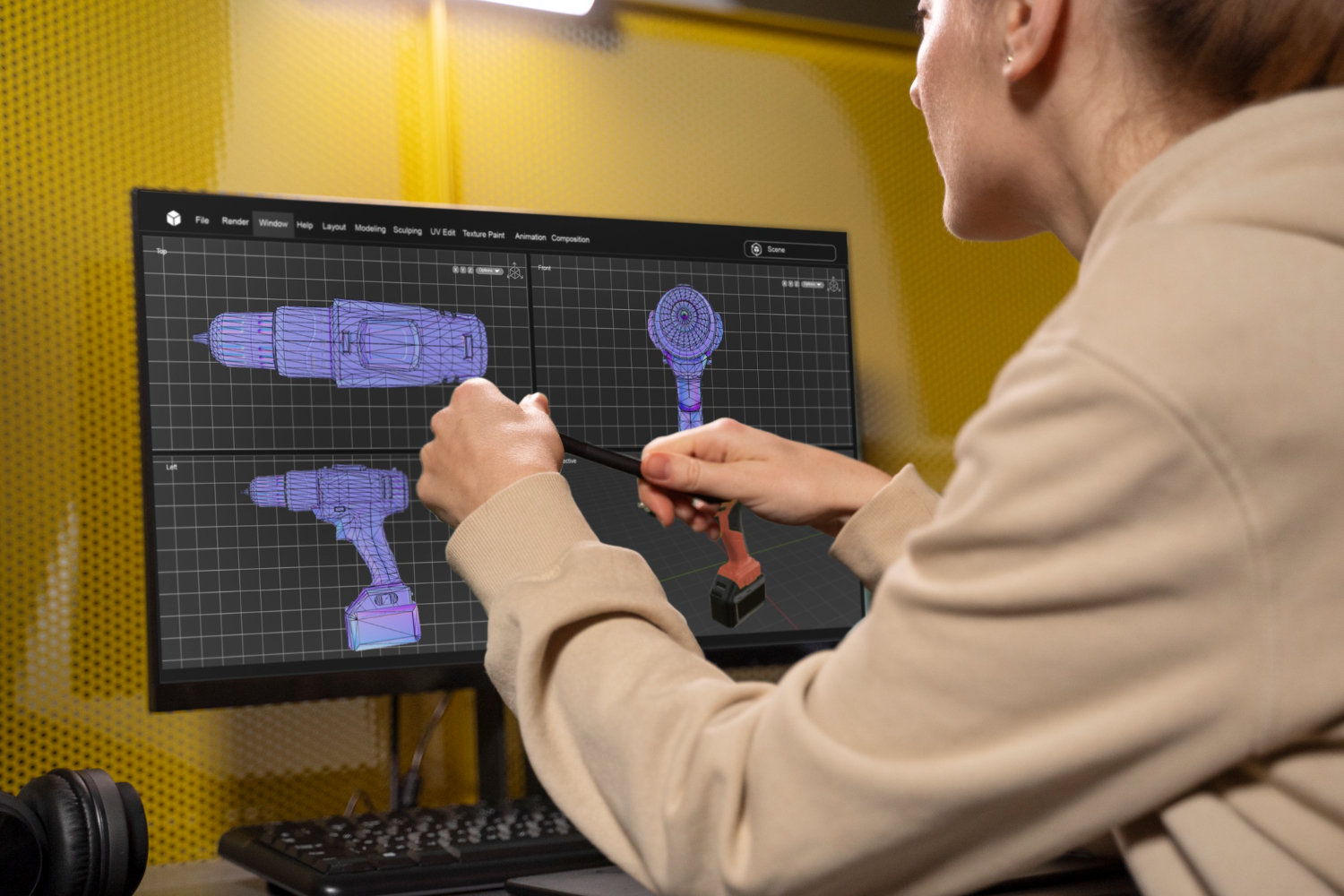
Design during the day, print overnight, test the next morning. A practical workflow for running rapid prototyping iterations at one per day.


Apr 8, 2026
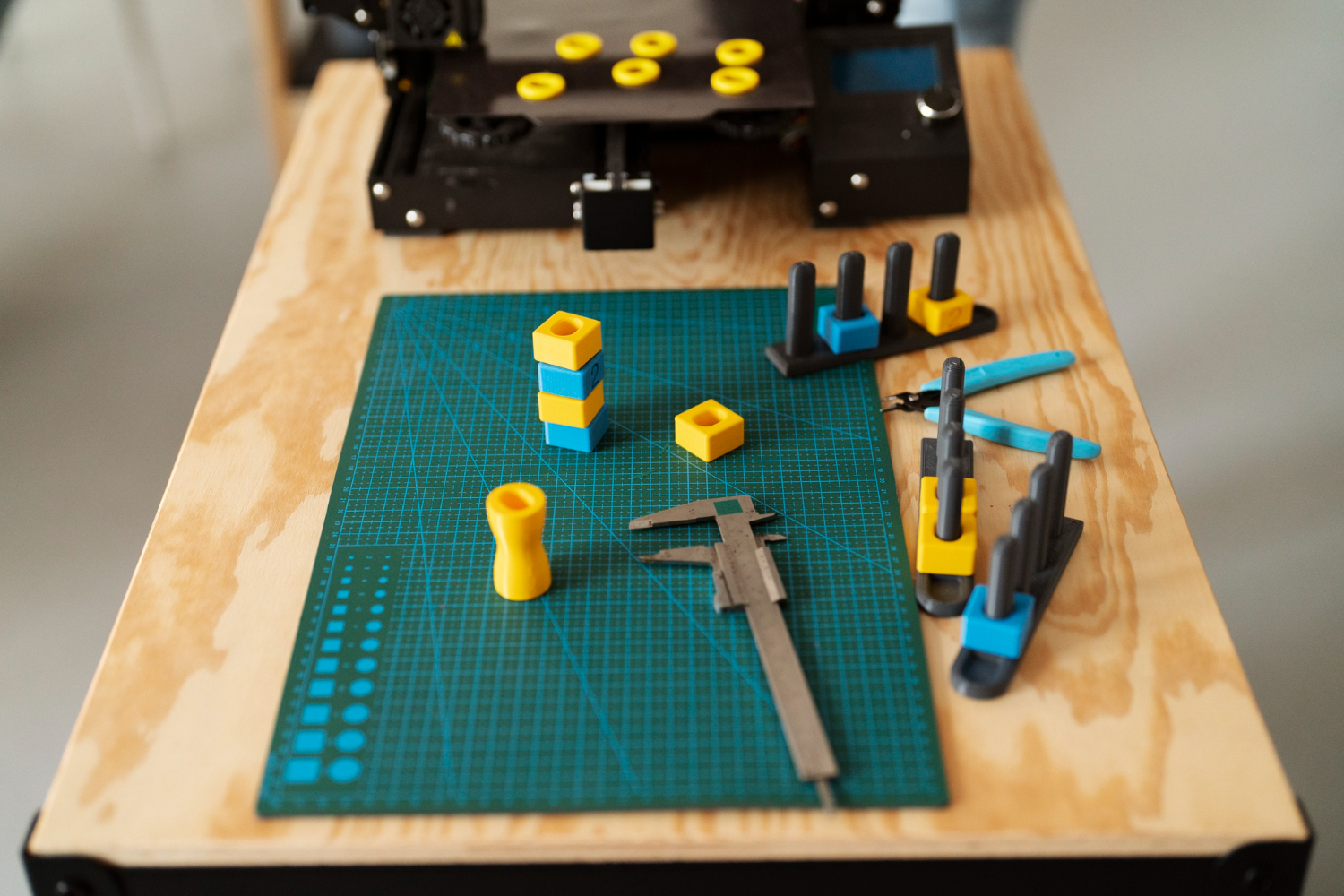
A structured checklist for testing 3D printed prototypes: visual inspection, fit testing, functional validation, and user testing. Get the most out of every iteration.
.webp)




Copyright © 3D On Demand